


Introduction: Seeing Double? Think Again!
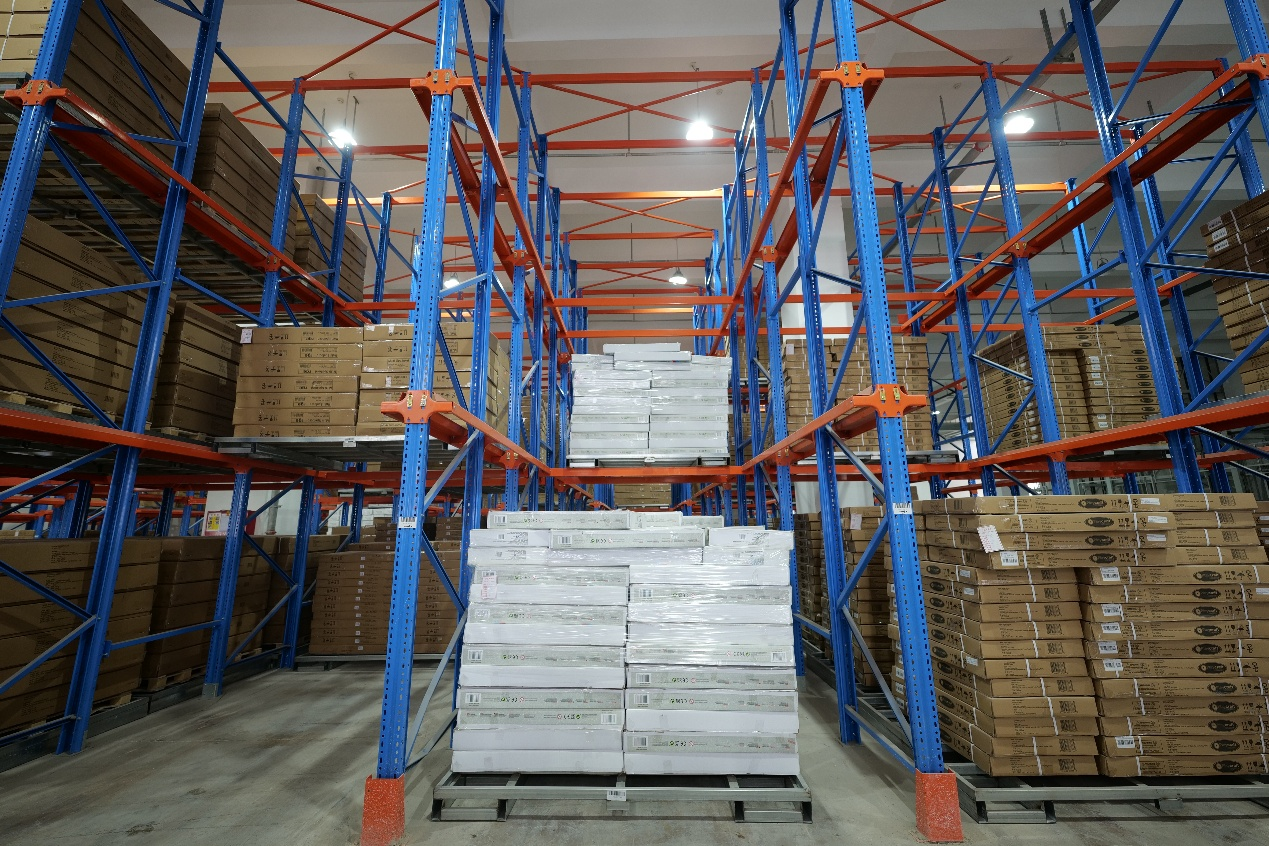
If you’ve ever looked at Drive-In and Drive-Through racking systems and thought, “Wait, aren’t these the same thing?”—you’re not alone. These two high-density storage solutions share a striking resemblance, but their differences can significantly impact your warehouse efficiency. Choosing the wrong one? That’s like putting pineapple on pizza—controversial and potentially disastrous! Let’s break it down and see which one suits your storage needs best.
What They Have in Common: Why the Confusion?
Before we highlight their differences, let’s acknowledge why people often mix them up:
- They look almost identical.Both use deep lanes of racking that allow forklifts to drive directly into the system.
- They maximize storage space.Unlike selective pallet racking, both options reduce aisle space and increase pallet density.
- They work best for bulk storage.If you’re handling a large volume of the same SKU, both systems are great for high-density storage.
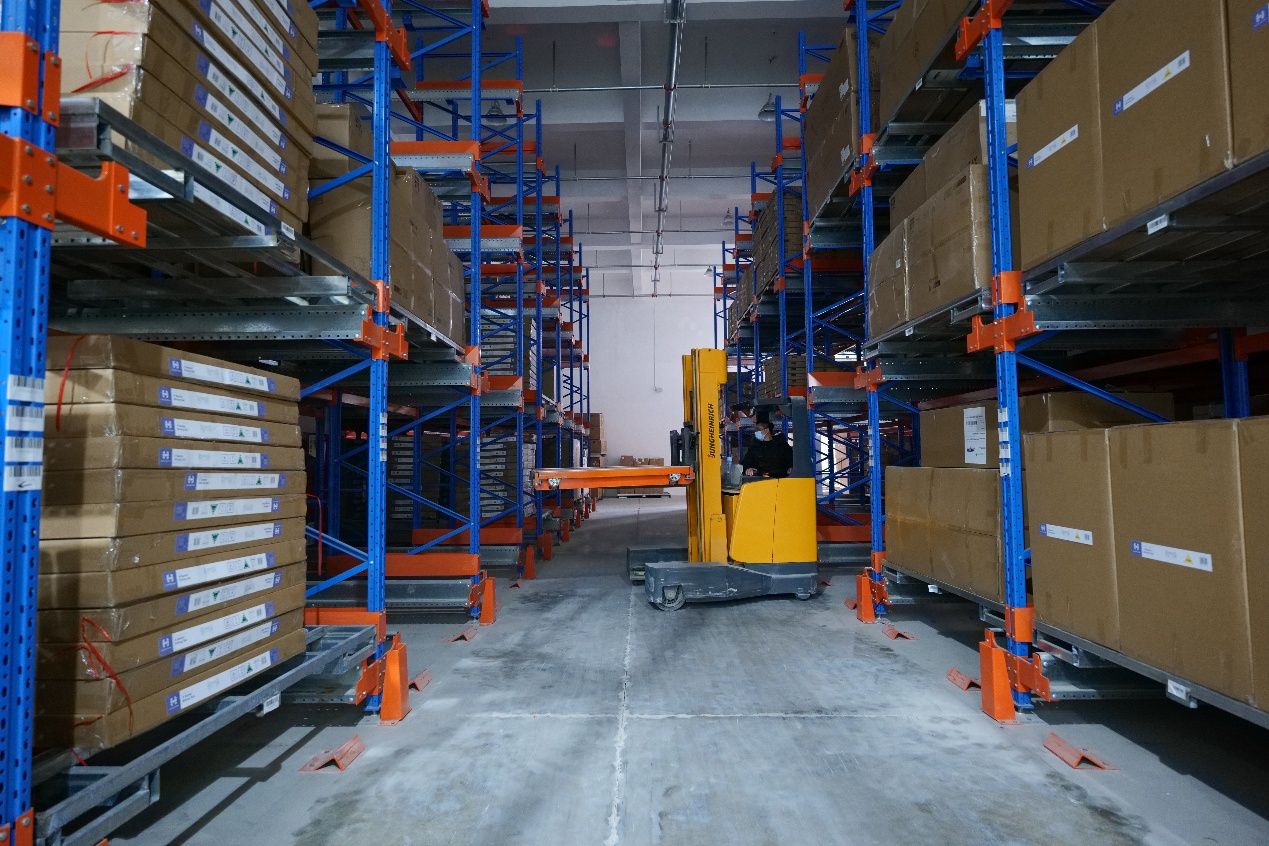
- They require a specific forklift operation.In both cases, forklifts enter the racking structure to store and retrieve pallets.
So, if they have so much in common, what’s the big deal? Well, the differences can make or break your warehouse efficiency.
Key Differences: Drive-In vs. Drive-Through
- Access Points: One vs. Two
- Drive-In Racking: Think of this as a cul-de-sac—there’s only one way in and one way out. Forklifts enter from one side to load and retrieve pallets.
- Drive-Through Racking: This system is more like a two-way street. Forklifts can enter from either side, allowing pallets to move through the system more fluidly.
- Inventory Rotation: LIFO vs. FIFO
- Drive-In Racking: Uses the Last-In, First-Out (LIFO) The last pallet placed in is the first one to be removed, making it ideal for items that don’t require strict inventory rotation.
- Drive-Through Racking: Uses the First-In, First-Out (FIFO) The first pallet loaded is the first one retrieved, which is perfect for perishable goods or products with expiration dates.
- Best Use Cases: Storage Needs Matter
- Drive-In Racking: Best for products that don’t require frequent rotation. Think of items with a long shelf life, like building materials, canned goods, or seasonal inventory that gets used up in batches.
- Drive-Through Racking: Ideal for industries dealing with perishable goods like food and beverages, pharmaceuticals, or any products that must follow a FIFO system.
- Warehouse Layout & Forklift Movement
- Drive-In Racking: Since there’s only one entry/exit point, warehouse design must accommodate efficient forklift movement to prevent congestion.
- Drive-Through Racking: Requires open space on both ends, making it better suited for warehouses with consistent inbound and outbound pallet flow.
Which One Should You Choose?
Picking between Drive-In and Drive-Through racking isn’t just about flipping a coin. It depends on your storage requirements:
- Go with Drive-In Racking if…
- You need to maximize storage space without concern for FIFO rotation.
- Your products have a long shelf life and don’t require frequent retrieval.
- Your warehouse layout can handle single-entry access for forklifts.
- Go with Drive-Through Racking if…
- You handle perishable goods or items that require strict FIFO inventory rotation.
- Your warehouse design allows for entry and exit on both ends of the racking system.
- Your operation involves frequent loading and unloading, requiring better pallet flow.
Conclusion: Similar Yet Different
At first glance, Drive-In and Drive-Through racks may seem interchangeable, but their unique designs cater to vastly different warehouse operations. Choosing the wrong system could lead to inefficiencies, wasted space, or product spoilage. So, next time someone tells you they’re “basically the same,” you’ll know better! Still unsure? Reach out to our storage experts to find the perfect racking solution for your warehouse needs.