


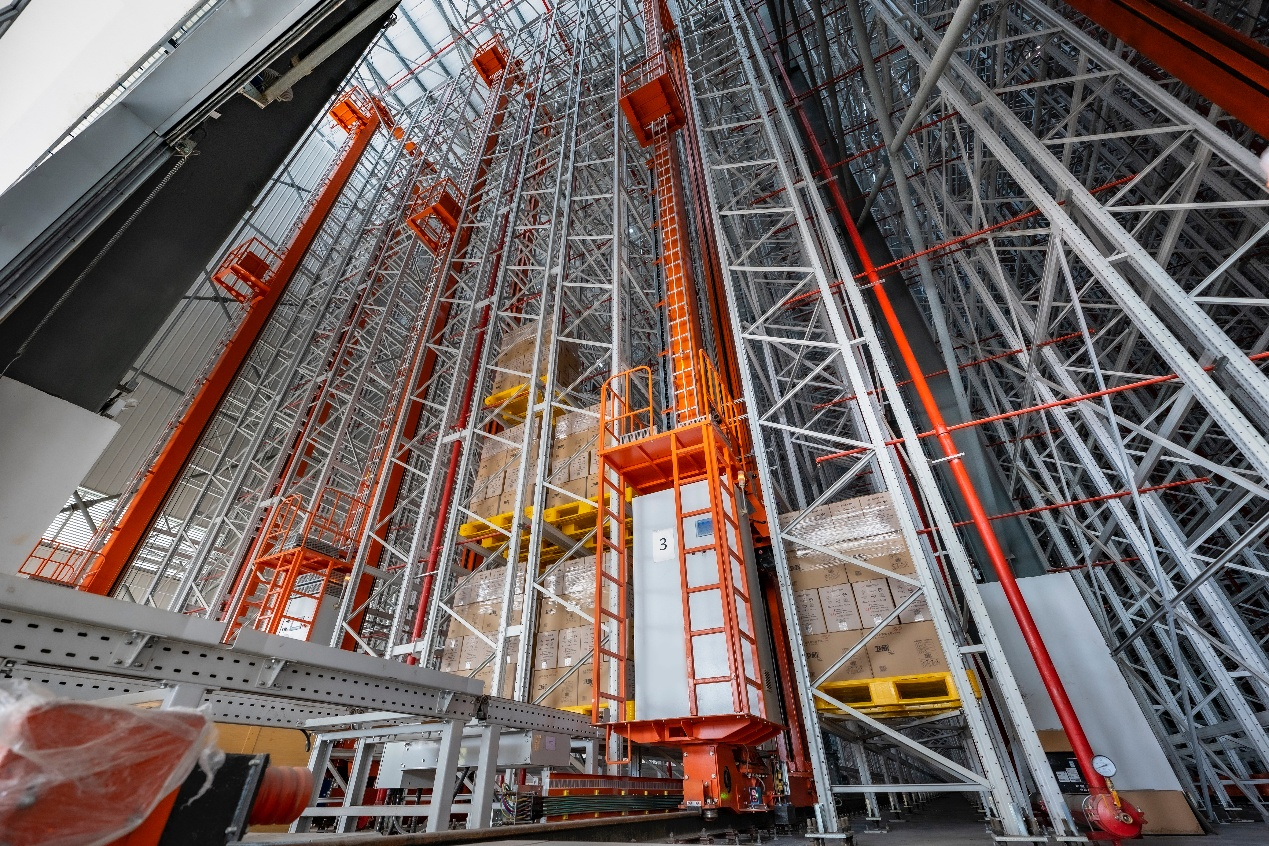
When Atlantic Medical Supplies installed their first Automated Storage and Retrieval System (AS/RS), they were focused on the obvious benefits: more efficient use of space, faster order fulfillment, and reduced labor costs. These were the selling points their vendor emphasized, and the metrics the CFO used to justify the substantial investment.
Six months after implementation, however, Operations Director Elena Marquez noticed something unexpected. Employee turnover in the warehouse had dropped dramatically—from 37% annually to just 12%.
“It wasn’t something we had anticipated or even measured for,” she told me when I visited their facility. “But the impact on our workforce stability has been just as valuable as the operational improvements.”
Atlantic’s experience isn’t unique. Across dozens of conversations with warehouse managers who’ve implemented AS/RS technology, I’ve collected a fascinating array of unexpected benefits—advantages that rarely appear in product brochures but often deliver significant value.
The Hidden Benefits Beyond the Brochure
The Recruiting Revolution
For decades, warehouse managers have struggled with a common challenge: finding and keeping good staff in roles that traditionally involve physical strain, repetitive tasks, and limited career advancement.
Midwest Electronics expected their AS/RS implementation to reduce their workforce needs. Instead, something more interesting happened.
“We didn’t actually reduce headcount,” explains HR Director James Wilson. “But the nature of the jobs changed completely. Instead of hiring people willing to spend eight hours a day lifting and carrying, we’re now recruiting for technical roles overseeing automated systems.”
The result? A talent pool transformation.
“We’re attracting candidates we never could before—people with technical aptitude who see these positions as the beginning of a technology-focused career, not just a job. Our application quality went up, and for the first time ever, we have a waiting list of qualified candidates.”
The Safety Dividend
Every warehouse operations manager worries about safety incidents. Beyond the human cost, injuries drive up insurance premiums and can trigger regulatory scrutiny. When implementing AS/RS, most facilities expect some safety improvements from reduced manual handling, but the full impact often proves more profound.
“Our recordable incident rate dropped by 86% in the first year after our AS/RS implementation,” reports Safety Coordinator Michael Chen of Global Fulfillment Services. “We expected improvement, but nothing of this magnitude.”
The safety benefits extend beyond the obvious reduction in lifting injuries. AS/RS-equipped facilities report fewer forklift accidents, reduced incidents from falling objects, and even improved air quality due to less equipment exhaust. These comprehensive safety improvements translate to tangible financial benefits through reduced insurance premiums, decreased workers’ compensation costs, and fewer lost workdays.
For many operations, these safety-related savings alone significantly impact the return on investment calculations—even though they weren’t part of the original business case.
The Accuracy Advantage
While improved picking accuracy is a commonly cited benefit of AS/RS technology, many warehouse managers discover that the impact on accuracy extends far beyond what they anticipated.
Sara Johnson, Inventory Control Manager at Northeast Home Goods, explains: “We expected better picking accuracy, which we got—going from 99.2% to 99.9% might not sound dramatic, but it made a huge difference in customer satisfaction. What surprised us was how the system improved our overall inventory accuracy.”
Before AS/RS, Northeast Home Goods conducted full physical inventories quarterly, each requiring three days of warehouse shutdown and temporary staff. Discrepancies between system inventory and physical counts regularly reached 4-5%.
“Now we maintain perpetual inventory with over 99.8% accuracy. We haven’t needed to shut down for physical inventory in two years. That alone saved us over $200,000 annually in direct costs, not to mention the revenue we no longer lose during those shutdown days.”
The Sustainability Surprise
When Organic Foods Cooperative invested in AS/RS technology, environmental benefits weren’t even on their radar. Their focus was efficiency in their rapidly growing distribution operation.
“The green benefits caught us by complete surprise,” admits Operations Manager David Patel. “But they’ve become a major part of our corporate story.”
The AS/RS implementation delivered unexpected sustainability improvements:
- 62% reduction in energy usage compared to their conventional warehouse
- 74% smaller carbon footprint due to precise climate control in a smaller, more compact facility
- Near-elimination of product damage and resulting waste
- Reduced paper use through digitization of previously manual processes
These environmental benefits translated into measurable business advantages, from qualifying for sustainability tax incentives to strengthening the company’s brand position with environmentally conscious consumers.
“We actually feature our AS/RS in our marketing materials now,” notes Patel. “Customers care that their organic products are handled in an environmentally responsible way throughout the supply chain.”
The Real Estate Revelation
The space efficiency of AS/RS is well-known—most systems advertise 60-85% space savings compared to conventional storage. What many operations discover, however, is that these savings enable entirely new strategic possibilities.
Consumer goods manufacturer BrightHome Products had planned to build a new distribution center to handle their growing product line. The projected cost: $28 million for land acquisition and construction.
“The AS/RS solution allowed us to accommodate five years of projected growth within our existing building,” explains Facilities Director Robert Kim. “But the real revelation came when we realized what we could do with our freed-up space.”
Instead of using all their space savings for additional storage, BrightHome repurposed part of their warehouse for value-added services:
- A custom packaging area for retail-ready displays
- A returns processing center that transformed a cost center into a profit generator
- A small manufacturing cell for high-margin customized products
“These new capabilities generated $3.7 million in additional revenue in the first year alone,” Kim reports. “That wasn’t in any of our initial projections. We were just trying to avoid building a new warehouse.”
Capturing the Full Value
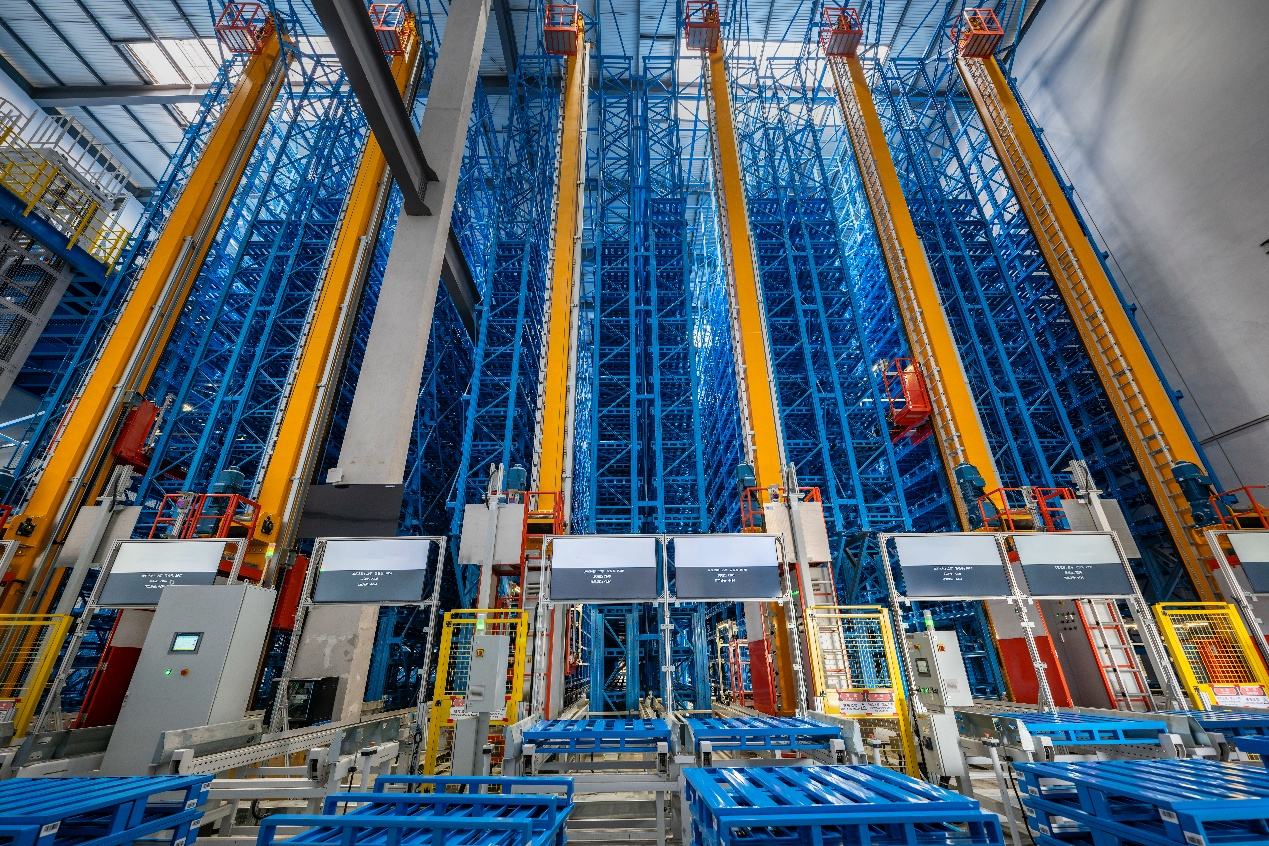
These hidden benefits aren’t guaranteed—they emerge through thoughtful implementation and a willingness to look beyond the obvious. Warehouse consultant Maria Gonzalez offers this advice for operations considering AS/RS:
“The technology itself delivers the advertised benefits almost automatically. It’s the second-order effects—how you adapt your operations, workforce, and business model around these capabilities—that often deliver the greatest value.”
Gonzalez recommends a deliberate approach to capturing these hidden benefits:
- Look beyond the department.An AS/RS implementation affects more than just warehouse operations. Involve team members from HR, safety, sustainability, and even marketing to identify potential benefits in their areas.
- Measure what matters.Expand your metrics beyond the obvious operational KPIs to track things like employee satisfaction, turnover, air quality, and energy usage.
- Create feedback loops.Regular cross-functional meetings during and after implementation help identify emerging benefits that weren’t part of the original business case.
- Think strategically about freed-up resources.When the AS/RS reduces space needs or labor requirements, actively plan how to leverage these newly available resources rather than simply eliminating them.
The Implementation Mindset
Perhaps the most important factor in discovering these hidden benefits is approaching AS/RS implementation with the right mindset.
“Don’t think of it as installing equipment—think of it as transforming your operation,” advises Operations Excellence Director Thomas Jackson, who has overseen three major AS/RS projects. “The physical system is just the beginning. The real value comes from reimagining what’s possible when the constraints of conventional warehousing are removed.”
For Atlantic Medical Supplies, that reimagining led to a fundamental shift in how they view their warehouse operation.
“We used to see the warehouse as a cost center—a necessary expense in getting products to customers,” Operations Director Marquez reflects. “Now it’s a strategic asset that gives us capabilities our competitors don’t have. The AS/RS was the catalyst for that transformation, but the full benefits came from changing our perspective on what a warehouse could be.”
Your Warehouse Transformation
Is your warehouse operation ready to discover benefits you haven’t even considered yet? As you evaluate AS/RS technology, look beyond the standard metrics of space utilization and picking efficiency. The most valuable improvements might be the ones you don’t expect.
Connect with our warehouse transformation specialists today to explore how AS/RS might solve problems you didn’t know you had. The future of your operation might be even brighter than you imagine.
Reimagine what’s possible in your warehouse—the benefits extend far beyond what you see in the brochure.