Have any question ?

+86 138 5149 1524

Email us

info@ckracking.com

Shuttle Racking System: High-Density Storage with Semi-Automated Efficiency

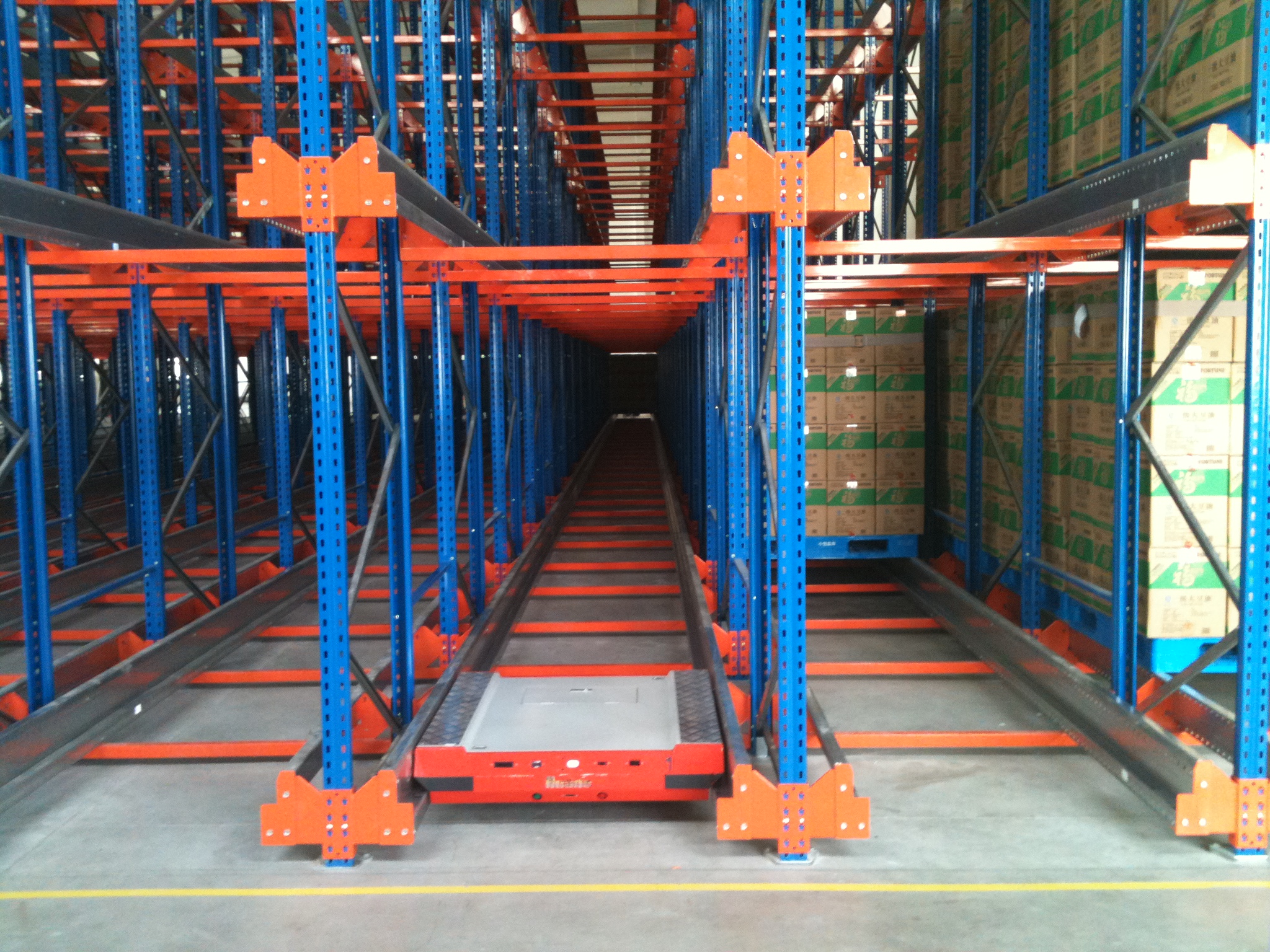
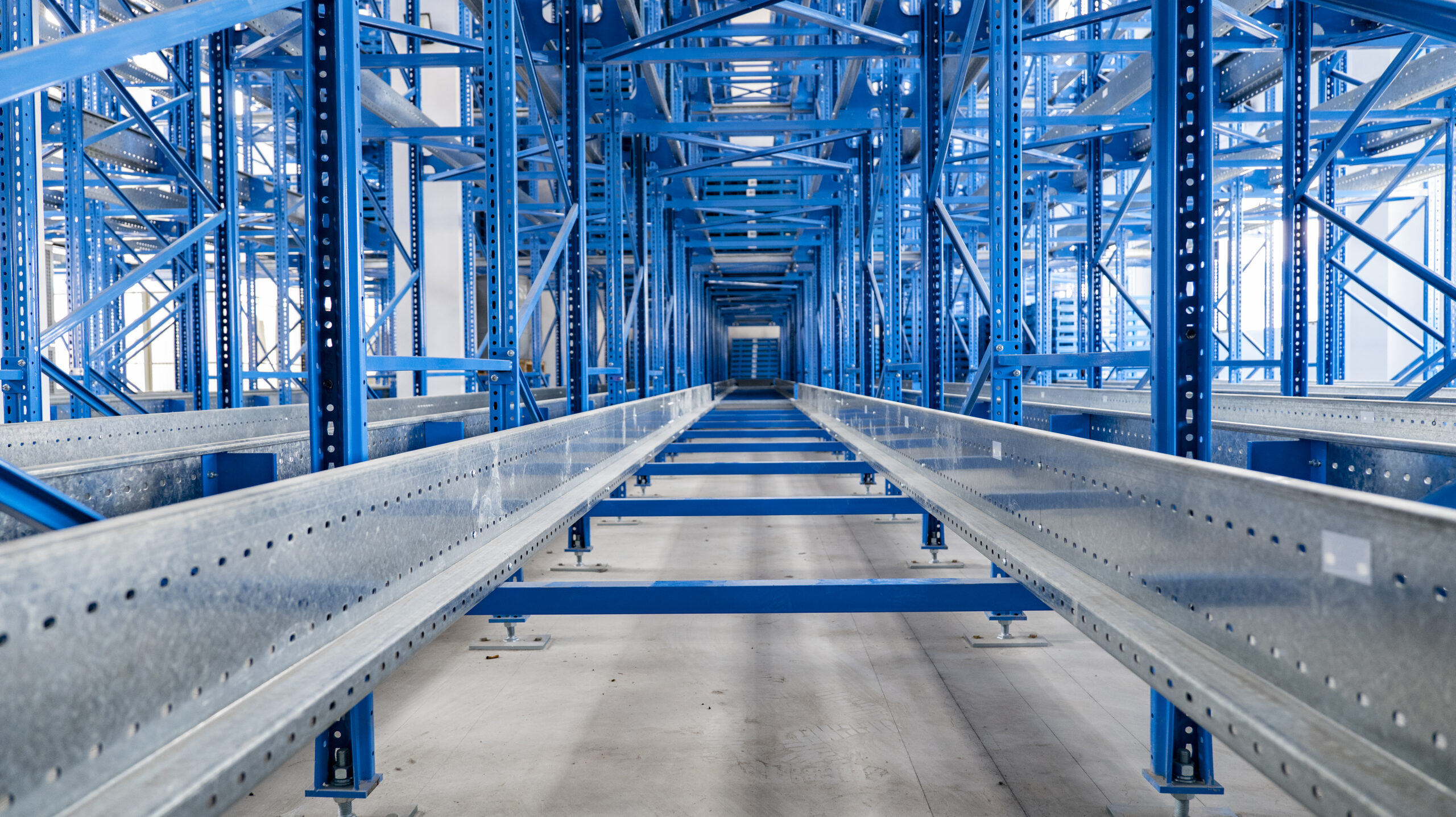
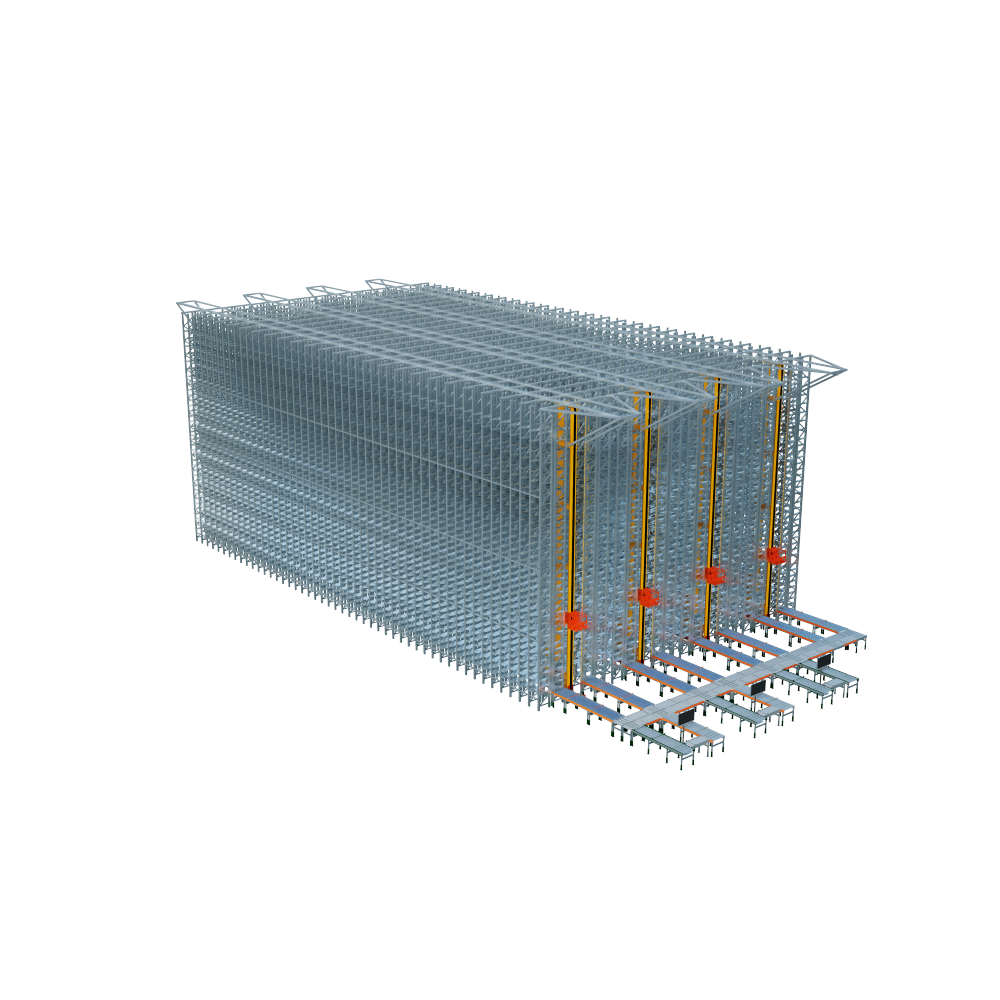
The Shuttle Racking System is a high-density storage solution that improves warehouse efficiency by utilizing a semi-automated shuttle to transport pallets within racking lanes. The system is available in two configurations: Radio Shuttle Rack and Four-Way Shuttle Rack. Both versions maximize space utilization and reduce manual labor by automating pallet movements, making them ideal for warehouses seeking to enhance throughput and storage capacity. These systems can also be easily upgraded to full automation, meeting the evolving needs of modern warehouses.

How Does It Work?

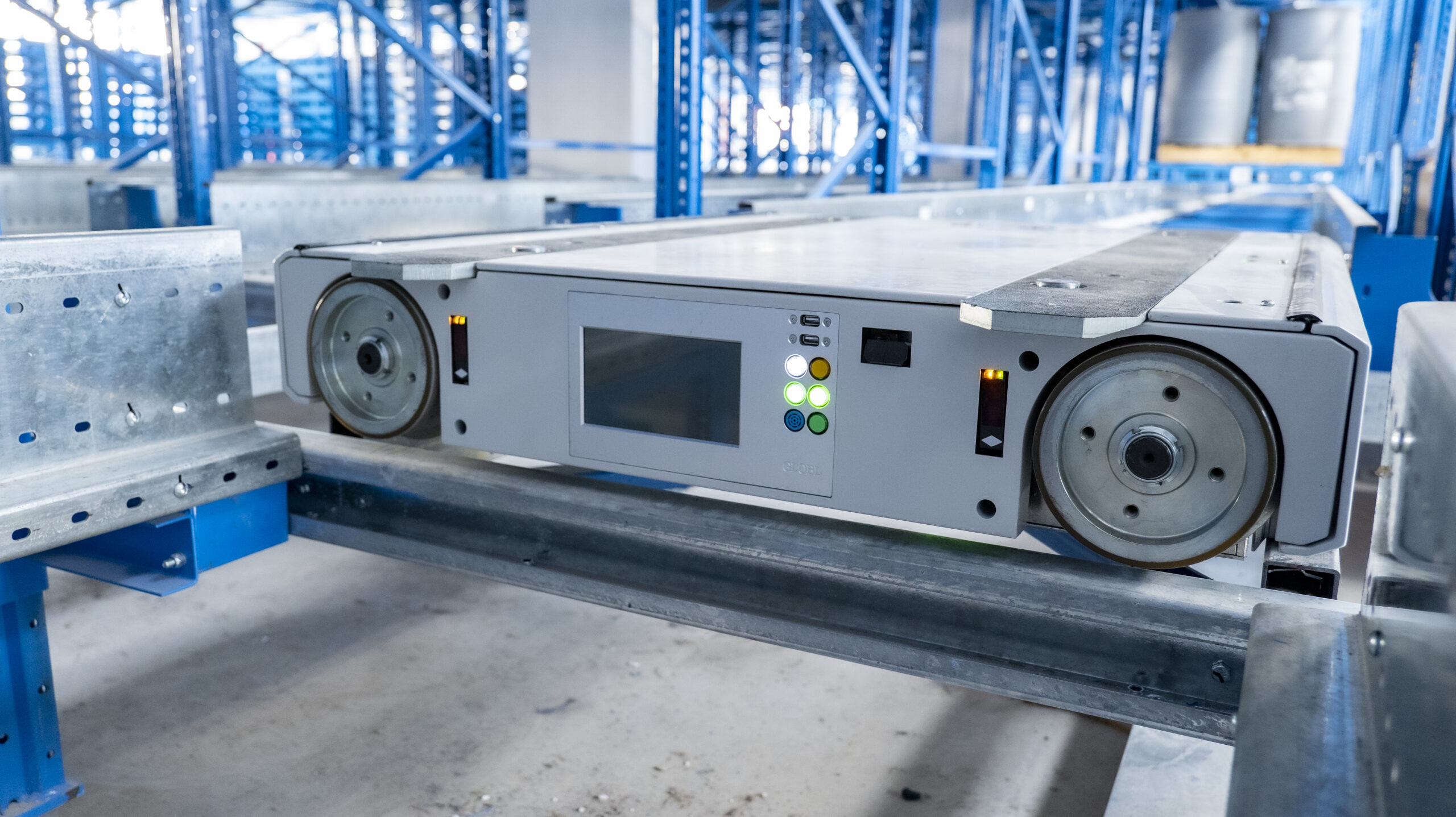
The Shuttle Racking System operates with a semi-automated motorized shuttle that moves pallets within the racking system. Forklifts load pallets into the system, after which the shuttle takes over to automatically transport the pallets to their designated positions within the rack.

  • Radio Shuttle Rack: The shuttle in this configuration moves only along the horizontal axis within the racking lanes. Forklifts are required to place the shuttle at the starting point, and if there is a need to change the storage lane, the forklift must intervene to move the shuttle to a new lane or channel. This design is ideal for deep-lane storage where pallets are stacked and retrieved in a straightforward direction. It’s best suited for applications with high volumes of similar products that don’t require multi-directional handling.
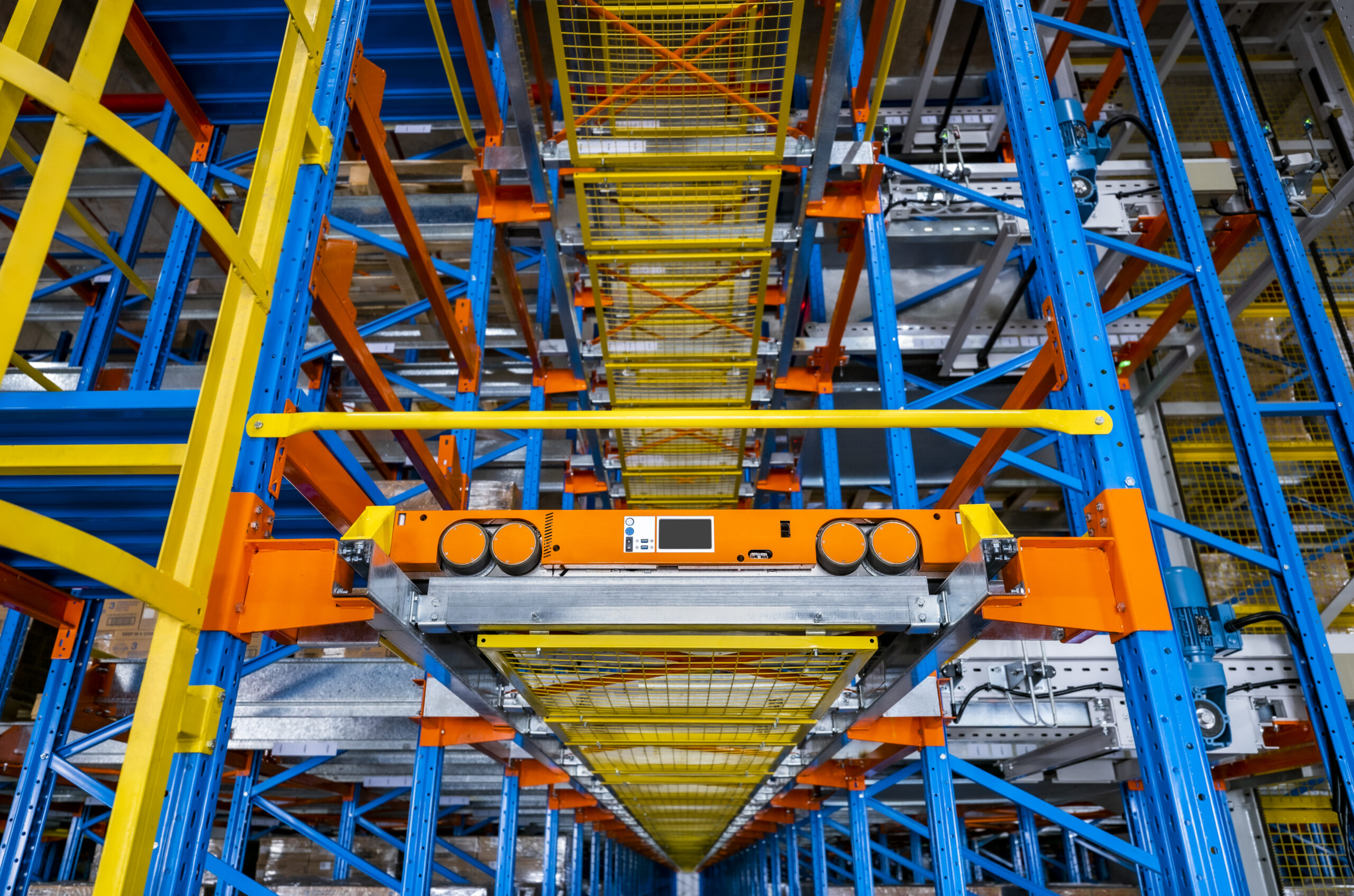
  • Four-Way Shuttle Rack: The shuttle in this system can move both horizontally and vertically, giving it more flexibility. Similar to the Radio Shuttle Rack, forklifts load the pallets into the racking system, but the Four-Way shuttle can move in multiple directions within the racking lanes, optimizing storage and retrieval speeds. If needed, forklifts will assist in placing the shuttle in a specific lane or repositioning it, especially when switching between different storage sections or adjusting to system changes.

Both systems reduce labor costs by automating the movement of goods within the racking system, and they can be upgraded to full automation in the future with the integration of AGVs (Automated Guided Vehicles) and WMS (Warehouse Management Systems).

Key Benefits of Shuttle Rack System

  • Maximized Space Utilization: The Shuttle Racking System is designed to optimize warehouse space by offering high-density storage, utilizing every inch of vertical and horizontal space. This results in a more compact storage solution, allowing for greater storage capacity within the same footprint.
  • Increased Operational Efficiency: With the integration of semi-automated shuttles, the system significantly reduces the need for manual labor. Pallets are automatically transported, minimizing human intervention and streamlining order fulfillment.
  • Flexibility and Scalability: The system is highly adaptable, allowing you to configure and adjust the racking system to meet specific storage needs. Whether you need to store a wide range of products or adjust the system for seasonal changes, the Shuttle Racking System can be easily reconfigured.
  • Improved Safety and Reduced Damage: With less manual handling and optimized storage organization, the Shuttle Racking System reduces the risk of product damage and enhances warehouse safety, ensuring smoother operations with fewer accidents.
  • Semi-Automated with Potential for Full Automation: While the system operates with semi-automation, it can be easily upgraded to full automation, providing a scalable solution as your business grows and warehouse needs evolve.

    Comparison: Radio Shuttle vs. Four-Way Shuttle Rack

    Feature

    Radio Shuttle Rack

    Four-Way Shuttle Rack

    Directional Movement

    Horizontal only – pallets are moved along a single axis.

    Multi-directional – pallets can move both horizontally and vertically.

    Storage Density

    High-density storage, but slightly less flexible.

    Higher density and flexibility due to multi-directional movement.

    Speed

    Moderate speed – ideal for simple storage and retrieval.

    Faster and more versatile – better suited for dynamic environments.

    Ideal Applications

    High-volume, low-mix products requiring deep-lane storage.

    High-mix, dynamic product flows requiring flexible storage and retrieval.

    Upgradeability

    Can be upgraded to full automation with AGVs and WMS.

    Can also be upgraded to full automation for more complex operations.

Applications

Faqs

How Does It Work?

The Shuttle Racking System operates with a semi-automated motorized shuttle that moves pallets within the racking system. Forklifts load pallets into the system, after which the shuttle takes over to automatically transport the pallets to their designated positions within the rack.

  • Radio Shuttle Rack: The shuttle in this configuration moves only along the horizontal axis within the racking lanes. Forklifts are required to place the shuttle at the starting point, and if there is a need to change the storage lane, the forklift must intervene to move the shuttle to a new lane or channel. This design is ideal for deep-lane storage where pallets are stacked and retrieved in a straightforward direction. It’s best suited for applications with high volumes of similar products that don’t require multi-directional handling.
  • Four-Way Shuttle Rack: The shuttle in this system can move both horizontally and vertically, giving it more flexibility. Similar to the Radio Shuttle Rack, forklifts load the pallets into the racking system, but the Four-Way shuttle can move in multiple directions within the racking lanes, optimizing storage and retrieval speeds. If needed, forklifts will assist in placing the shuttle in a specific lane or repositioning it, especially when switching between different storage sections or adjusting to system changes.

Both systems reduce labor costs by automating the movement of goods within the racking system, and they can be upgraded to full automation in the future with the integration of AGVs (Automated Guided Vehicles) and WMS (Warehouse Management Systems).

How Does It Work?

The Shuttle Racking System operates with a semi-automated motorized shuttle that moves pallets within the racking system. Forklifts load pallets into the system, after which the shuttle takes over to automatically transport the pallets to their designated positions within the rack.

  • Radio Shuttle Rack: The shuttle in this configuration moves only along the horizontal axis within the racking lanes. Forklifts are required to place the shuttle at the starting point, and if there is a need to change the storage lane, the forklift must intervene to move the shuttle to a new lane or channel. This design is ideal for deep-lane storage where pallets are stacked and retrieved in a straightforward direction. It’s best suited for applications with high volumes of similar products that don’t require multi-directional handling.
  • Four-Way Shuttle Rack: The shuttle in this system can move both horizontally and vertically, giving it more flexibility. Similar to the Radio Shuttle Rack, forklifts load the pallets into the racking system, but the Four-Way shuttle can move in multiple directions within the racking lanes, optimizing storage and retrieval speeds. If needed, forklifts will assist in placing the shuttle in a specific lane or repositioning it, especially when switching between different storage sections or adjusting to system changes.

Both systems reduce labor costs by automating the movement of goods within the racking system, and they can be upgraded to full automation in the future with the integration of AGVs (Automated Guided Vehicles) and WMS (Warehouse Management Systems).

How Does It Work?

The Shuttle Racking System operates with a semi-automated motorized shuttle that moves pallets within the racking system. Forklifts load pallets into the system, after which the shuttle takes over to automatically transport the pallets to their designated positions within the rack.

  • Radio Shuttle Rack: The shuttle in this configuration moves only along the horizontal axis within the racking lanes. Forklifts are required to place the shuttle at the starting point, and if there is a need to change the storage lane, the forklift must intervene to move the shuttle to a new lane or channel. This design is ideal for deep-lane storage where pallets are stacked and retrieved in a straightforward direction. It’s best suited for applications with high volumes of similar products that don’t require multi-directional handling.
  • Four-Way Shuttle Rack: The shuttle in this system can move both horizontally and vertically, giving it more flexibility. Similar to the Radio Shuttle Rack, forklifts load the pallets into the racking system, but the Four-Way shuttle can move in multiple directions within the racking lanes, optimizing storage and retrieval speeds. If needed, forklifts will assist in placing the shuttle in a specific lane or repositioning it, especially when switching between different storage sections or adjusting to system changes.

Both systems reduce labor costs by automating the movement of goods within the racking system, and they can be upgraded to full automation in the future with the integration of AGVs (Automated Guided Vehicles) and WMS (Warehouse Management Systems).

blog

The Million-Dollar Shelf: How Precision Mold Storage Protects Your Most Valuable Manufacturing Assets

Lessons from NASA: How Space-Grade Material Handling Principles Are Revolutionizing Coil Storage

Breaking the Warehouse Gridlock: Strategic Solutions with Structural Steel Platforms

RELATED PRODUCTS