


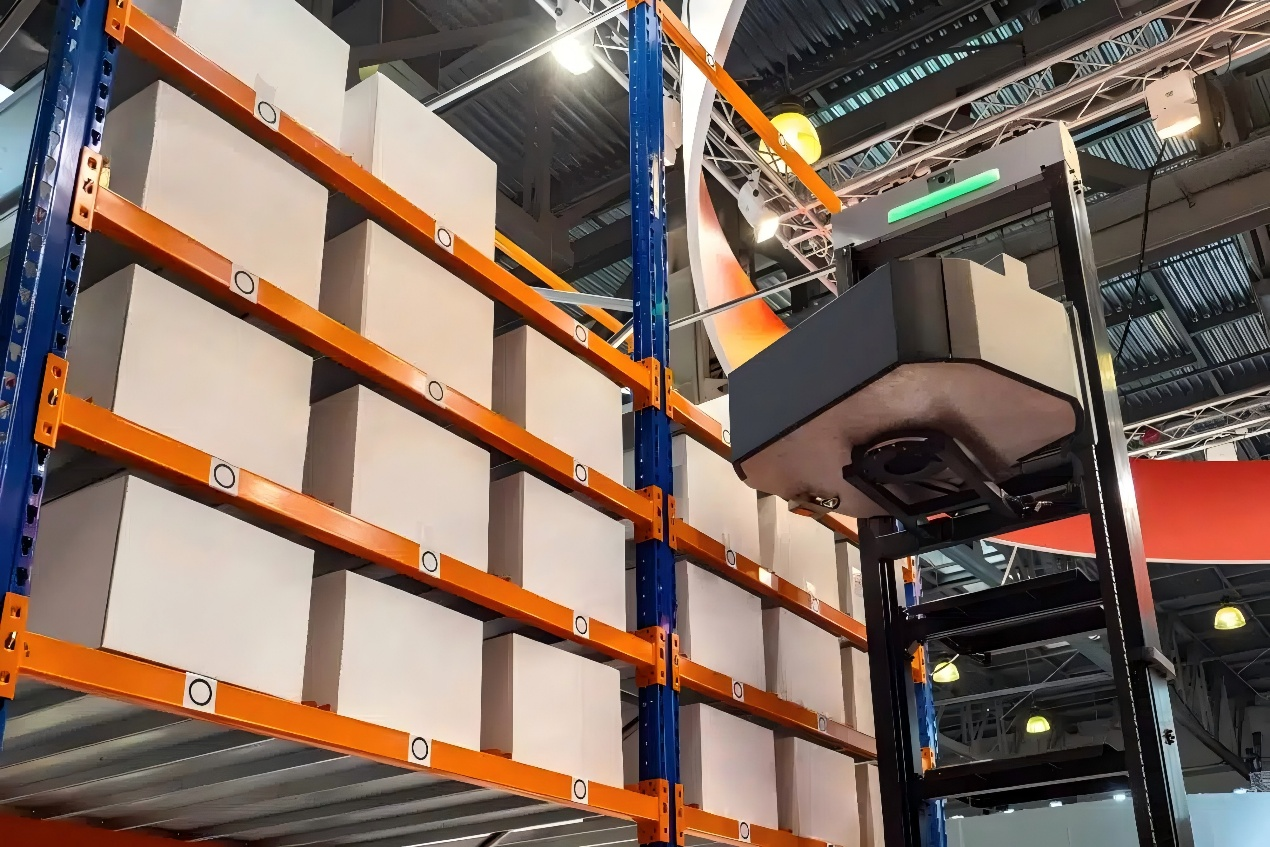
When I first walked the floor of a major logistics conference last year, I noticed something interesting. At nearly every turn, warehouse managers were debating the merits of different automation systems, and one conversation kept repeating: “Should we go with a CTU system or a shuttle system?”
It’s a question that reflects how far warehouse automation has come. Just a decade ago, the discussion was whether to automate at all. Today, it’s about choosing the right automation technology for your specific operation. Container Transfer Unit (CTU) robots and shuttle systems represent two of the most advanced approaches to mini-load automation—both powerful, but each with distinct characteristics that make them ideal for different scenarios.
After speaking with dozens of warehouse operators who have implemented one or both technologies, I’ve compiled this guide to help you navigate this important decision.
Beyond the Brochure: Understanding the Real Differences
Marketing materials from vendors often emphasize similarities between these systems—both offer high-density storage, both reduce labor requirements, both improve accuracy. But experienced operators know the differences matter just as much as the similarities.
“We actually toured facilities running both technologies before making our decision,” shares Miguel Rodriguez, operations director for a major health and beauty products distributor. “What looked similar on paper felt completely different in practice.”
Let’s break down the fundamental differences:
The Architecture
CTU Systems use robots that travel within the rack structure itself, moving both horizontally and vertically to retrieve containers. The robots are integrated with the storage grid, which serves as both storage medium and “roadway.”
Shuttle Systems typically consist of horizontal shuttles that travel along rails within the rack structure, retrieving totes and delivering them to lifts at the end of aisles. These lifts then move containers vertically to the appropriate level or to picking stations.
“It’s like comparing a highway system to an elevator system,” explains warehouse consultant Janelle Washington. “CTU robots can go anywhere within the grid, while shuttles move on dedicated paths with transfer points.”
Throughput Patterns
The architectural differences create distinct throughput characteristics:
CTU Systems excel at handling many simultaneous requests across the entire storage volume. When orders involve items stored in different zones, CTU robots can retrieve them all in parallel.
Shuttle Systems typically demonstrate exceptional throughput when retrievals are concentrated within specific aisles or zones, as multiple shuttles can operate within the same aisle.
“Our CTU system really shines during promotions or sales when orders are spread across many different product categories,” notes e-commerce fulfillment manager Sarah Chen. “But facilities with more predictable, zone-focused picking might see better performance from shuttle systems.”
Scalability Approaches
How these systems grow to meet increased demand also differs significantly:
CTU Systems scale by adding more robots to the existing grid or expanding the grid itself. The incremental nature of adding robots means capacity can grow in small steps as needed.
Shuttle Systems typically require more substantial infrastructure changes to scale up, often involving additional aisles, lifts, or conveyance systems. However, they can sometimes achieve extremely high throughput in specific zones by concentrating shuttles.
Real-World Applications: Where Each Technology Shines
Rather than declaring one system universally “better,” let’s look at the specific scenarios where each technology demonstrates clear advantages:
When CTU Systems Excel
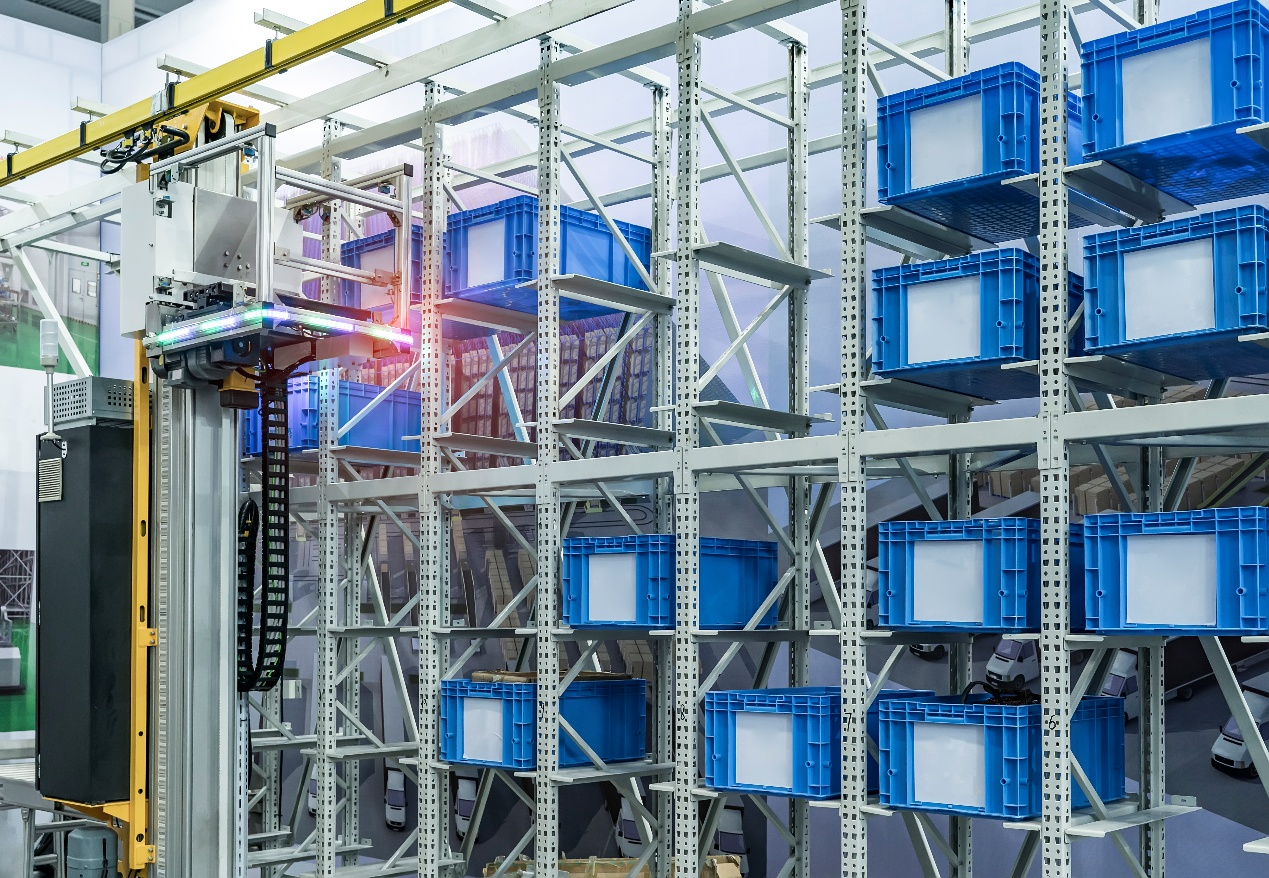
Highly Variable Order Profiles
Fashion retailer Styles Unlimited switched from a shuttle system to a CTU system and saw immediate improvements. “Our business is inherently unpredictable,” explains their operations VP. “One day, everyone wants summer dresses; the next, it’s all about accessories. The CTU system handles these swings much better because the robots can immediately redistribute to wherever the demand is.”
Space-Constrained Facilities
A pharmaceutical distributor in an urban setting chose CTU technology specifically for its space efficiency. “The shuttle system we considered required more clearance around aisles and transfer points,” their facility manager explains. “The CTU system gave us about 15% more storage capacity in the same footprint, which made a huge difference in our high-rent location.”
Operations Requiring Frequent Reconfiguration
Electronics distributor TechSupply regularly changes their inventory profile as new products launch and others become obsolete. “With our CTU system, we can dynamically reoptimize storage locations without physical changes to the infrastructure,” their logistics director shares. “That flexibility is invaluable in our fast-changing industry.”
When Shuttle Systems Shine
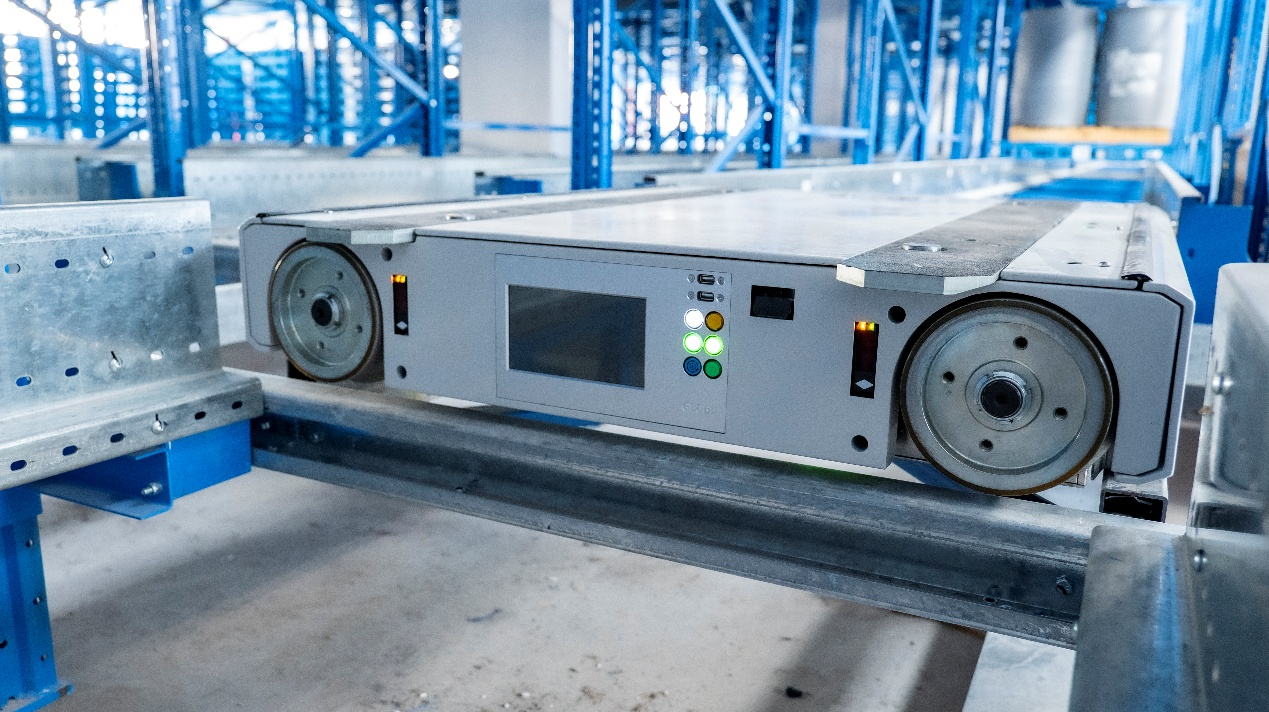
Extremely High-Throughput Zones
“Our shuttle system can retrieve over 600 totes per hour from our fast-moving SKU zone,” boasts the fulfillment director of a major online grocery operation. “We have 15 shuttles working in just two aisles dedicated to our highest-velocity items. No other system could give us that concentrated throughput.”
Heavier Load Requirements
Industrial supply company HeavyDuty Parts selected a shuttle system specifically for its robust load-carrying capacity. “Some of our components weigh up to 50kg,” explains their warehouse manager. “The shuttle system handles these heavy items much more effectively than the CTU options we considered.”
Highly Predictable Demand Patterns
Contract fulfillment provider LogiPartner uses shuttle systems for clients with predictable ordering patterns. “For our client who ships subscription boxes, we know exactly which products will be needed and when,” their systems analyst explains. “This predictability lets us optimize our shuttle deployment for maximum efficiency.”
The Hybrid Approach: Best of Both Worlds?
Interestingly, some of the most sophisticated operations I’ve visited have implemented both technologies within the same facility.
Online superstore MegaMart uses CTU technology for their extensive selection of small to medium-sized products with unpredictable demand, while employing shuttle systems for their bulkier fast-moving items like paper products and household staples.
“Each technology serves a different aspect of our business,” their automation director explains. “The ROI calculation looked better when we matched each technology to the inventory profile where it performs best.”
Implementation Realities: Beyond the Technology
The success of either system depends on factors that go well beyond the hardware itself:
Integration Complexity
Both CTU and shuttle systems require sophisticated integration with existing warehouse management systems, but the nature of this integration differs.
“Our shuttle system integration was more straightforward because it followed defined pathways and transfer points,” recalls IT director Priya Sharma. “The CTU system offered more flexibility but required more complex algorithms to optimize robot movements.”
Staff Adaptation
Workforce adaptation also varies between the systems:
“Our team found the shuttle system more intuitive because they could physically see the movement paths,” notes HR director Thomas Jackson. “The CTU system felt more abstract initially, as containers seemed to appear ‘magically’ from the grid. This required more comprehensive training to help staff understand the system’s operation.”
Maintenance Approaches
Maintenance philosophies also differ significantly:
CTU systems typically follow a distributed maintenance model where individual robots can be removed for service without shutting down the system. Shuttle systems often require more scheduled downtime for maintenance of rails and lifts.
“With our CTU system, we just swap out robots that need maintenance and the system continues running at slightly reduced capacity,” explains maintenance manager Robert Chen. “That’s been a huge advantage for our 24/7 operation.”
Making Your Decision: A Framework
After synthesizing insights from dozens of warehouse professionals, I’ve developed this framework for making the CTU vs. shuttle decision:
- Start with your inventory profile:
- Wide variety of SKUs with unpredictable demand? Lean toward CTU.
- Concentrated volume on predictable items? Consider shuttles.
- Heavy items over 30kg? Shuttles typically handle these better.
- Analyze your facility constraints:
- Extremely limited height? Shuttles might utilize vertical space more efficiently.
- Limited floor space? CTU systems typically provide higher storage density.
- Unusual building shape? CTU systems often adapt better to non-rectangular spaces.
- Consider your business volatility:
- High SKU turnover or frequent product changes? CTU systems adapt more readily.
- Stable product line with consistent demand? Either system works well, with shuttles potentially offering cost advantages for this scenario.
- Evaluate your scaling timeline:
- Need to start small and scale incrementally? CTU systems often permit more granular expansion.
- Planning a major, one-time automation implementation? Either system can be appropriate.
- Account for maintenance resources:
- Limited maintenance windows? CTU’s ability to operate during maintenance may be crucial.
- Strong in-house mechanical expertise? This might reduce the complexity of maintaining either system.
The Financial Equation: Looking Beyond Initial Cost
One warehouse director I spoke with put it bluntly: “We almost made the wrong decision because we focused too much on the initial price tag.”
The capital expenditure for these systems can be substantial—typically starting around $2-3 million for a modest implementation and reaching $10+ million for large-scale systems. However, experienced operators emphasize that the initial cost differences between technologies (which can range from 10-25%) are often overshadowed by long-term operational implications.
“We found that the total cost of ownership over seven years was actually lower for the CTU system despite its higher initial cost,” shares CFO Lisa Morris. “The flexibility reduced our need for reconfiguration investments, and the incremental scaling meant we could better match our capital expenditure to our growth.”
Future-Proofing: The Technology Roadmaps
Both technologies continue to evolve rapidly, which adds another dimension to the decision-making process.
CTU manufacturers are focusing on enhancing robot intelligence, enabling predictive retrieval and increasingly sophisticated traffic management. Several are also developing robots that can handle heavier loads, addressing one of the traditional limitations.
Shuttle system vendors are working on more flexible transfer mechanisms and developing shuttles that can change levels independently, potentially eliminating the need for separate lifts in some applications.
“We factored the technology roadmap into our decision,” explains IT strategist Michael Wei. “Based on our discussions with vendors, we felt the CTU evolution path aligned better with our long-term needs.”
Real Success Stories: Learning from Experience
Throughout my research, certain implementation stories stood out for their clear lessons:
The Fashion Retailer’s Seasonal Challenge
Clothing retailer StyleHouse struggled with extreme seasonal fluctuations, with holiday volumes reaching 5x their baseline. “Our shuttle system couldn’t scale to handle peak periods without massive capital investment,” their operations director explains. “Switching to a CTU system allowed us to simply rent additional robots during peak season, then return them when demand normalized. This flexibility transformed our economics.”
The Pharmaceutical Precision Story
Medical supplier MediQuick chose a shuttle system specifically for its track record of exceptional accuracy. “In our industry, a picking error can have serious consequences,” their compliance director notes. “The defined paths and transfer points of the shuttle system provided an extra layer of verification that gave us confidence in the system’s accuracy.”
The Startup Success
E-commerce newcomer GadgetDirect made an interesting choice, starting with a small CTU implementation that could grow with their business. “As a startup, we couldn’t predict our growth curve accurately,” their founder shares. “The ability to start with just eight robots and add more as we grew meant we didn’t have to overcommit capital upfront.”
Take Action: Your Next Steps
If you’re considering either of these advanced automation technologies, here’s a practical roadmap to move forward:
- Conduct an SKU analysisthat segments your inventory by size, weight, velocity, and demand predictability
- Visit reference sitesrunning both technologies—seeing them in action provides insights that specifications sheets can’t capture
- Run detailed simulation scenariosusing your actual order profiles with vendor cooperation
- Develop a phased implementation planthat minimizes disruption to ongoing operations
- Create a comprehensive ROI modelthat includes all operational impacts, not just the obvious labor savings
Don’t let analysis paralysis prevent you from moving forward with warehouse automation. While the decision between CTU and shuttle systems requires careful consideration, either technology represents a significant advancement over manual operations or older automated systems.
Ready to Transform Your Warehouse Operations?
Our team of warehouse automation specialists can conduct a customized analysis of your specific operation to determine which technology aligns best with your business requirements.
Schedule a no-obligation consultation today by visiting www.ckstoragesolutions.com. You’ll receive a preliminary assessment and technology recommendation within two weeks.
The future of your warehouse operations may depend on making the right automation choice today. Let us help you navigate this critical decision with confidence.
The right automation isn’t about following trends—it’s about finding the perfect match for your unique operational challenges.