


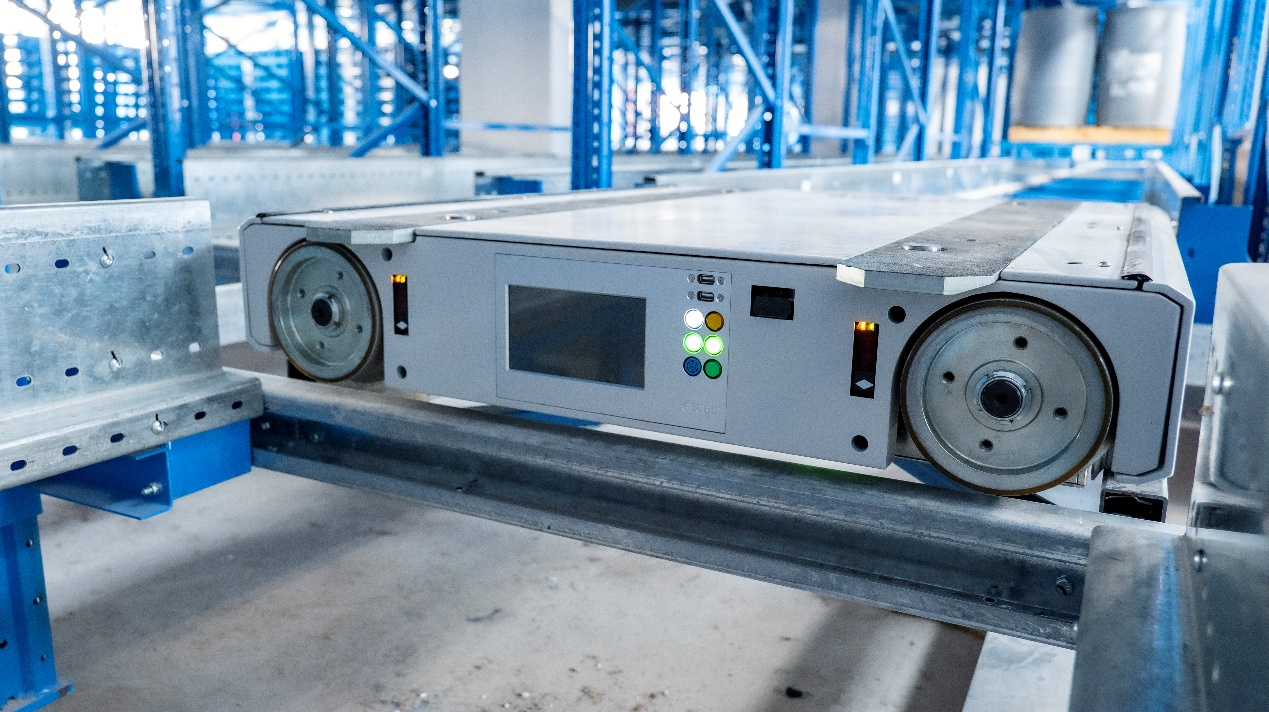
The first time I saw a shuttle rack system in action, I couldn’t help but smile. The warehouse manager had been proudly showing me around his facility, pointing out various improvements they’d made over the years. But when we reached the shuttle rack area, he stopped and simply said, “Watch this.”
With a few taps on a remote control, a small motorized platform—the shuttle—zipped deep into a storage lane, smoothly retrieved a pallet, and brought it forward. No forklift driving down narrow aisles. No complex crane system overhead. Just an elegant solution that seemed so obvious once you saw it in action.
“This changed everything for us,” the manager told me, the pride evident in his voice.
The Warehouse Space Race
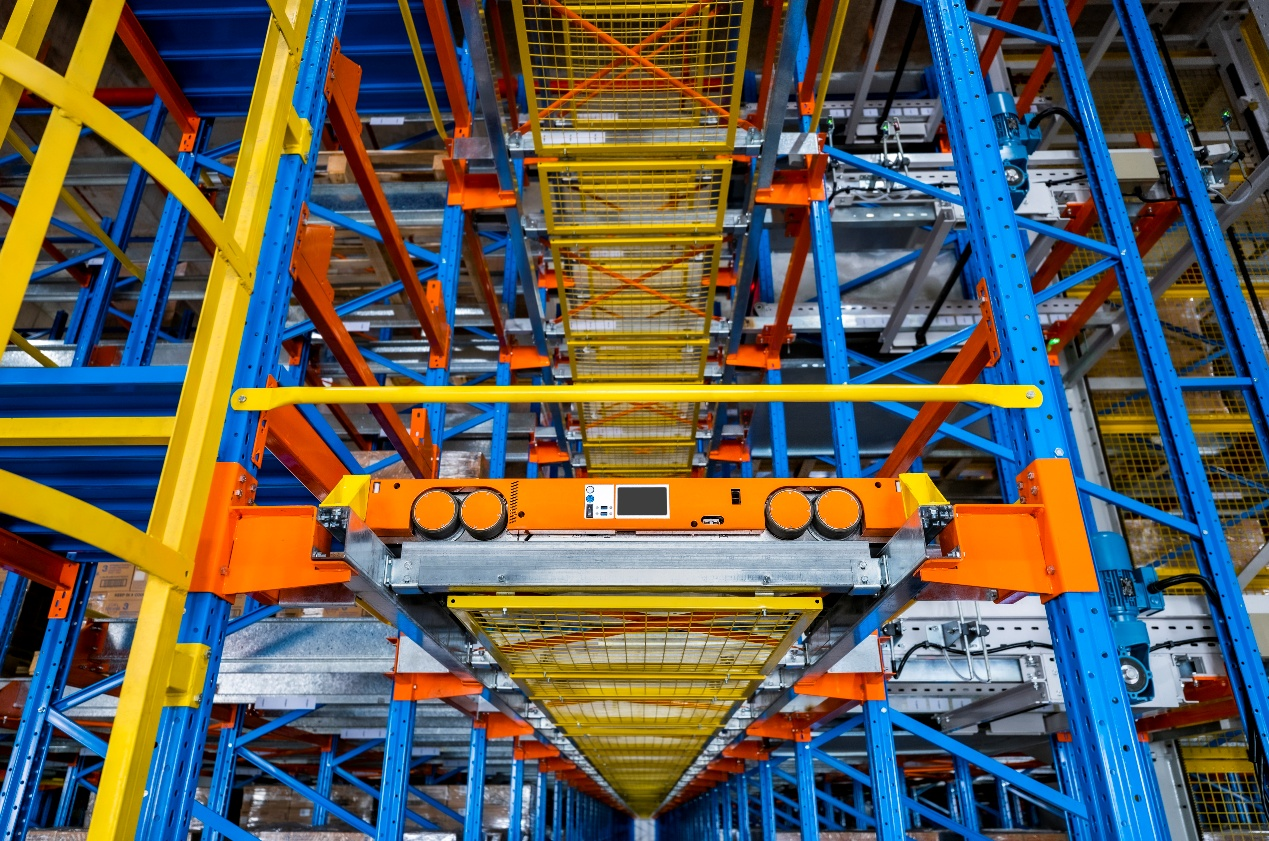
If you’ve been in the logistics business for any length of time, you know the persistent challenge: space is expensive, but so is inefficiency. For decades, warehouses have been caught in this tension—sacrifice accessibility for density or vice versa.
Joanna Chen, a logistics director I spoke with recently, summed it up perfectly: “Before our shuttle system, we were literally building walls out of pallets. Great density, sure, but accessing anything beyond the first row? Nightmare. We were playing Tetris with forklifts every day.”
It’s a familiar story. The traditional solutions—selective racking with its excellent accessibility but poor space utilization, or drive-in racking with its density but limited selectivity—force uncomfortable compromises.
Shuttle systems emerged as the “why not both?” solution that many warehouse managers had been waiting for.
Radio Shuttles: The Gateway to Automation
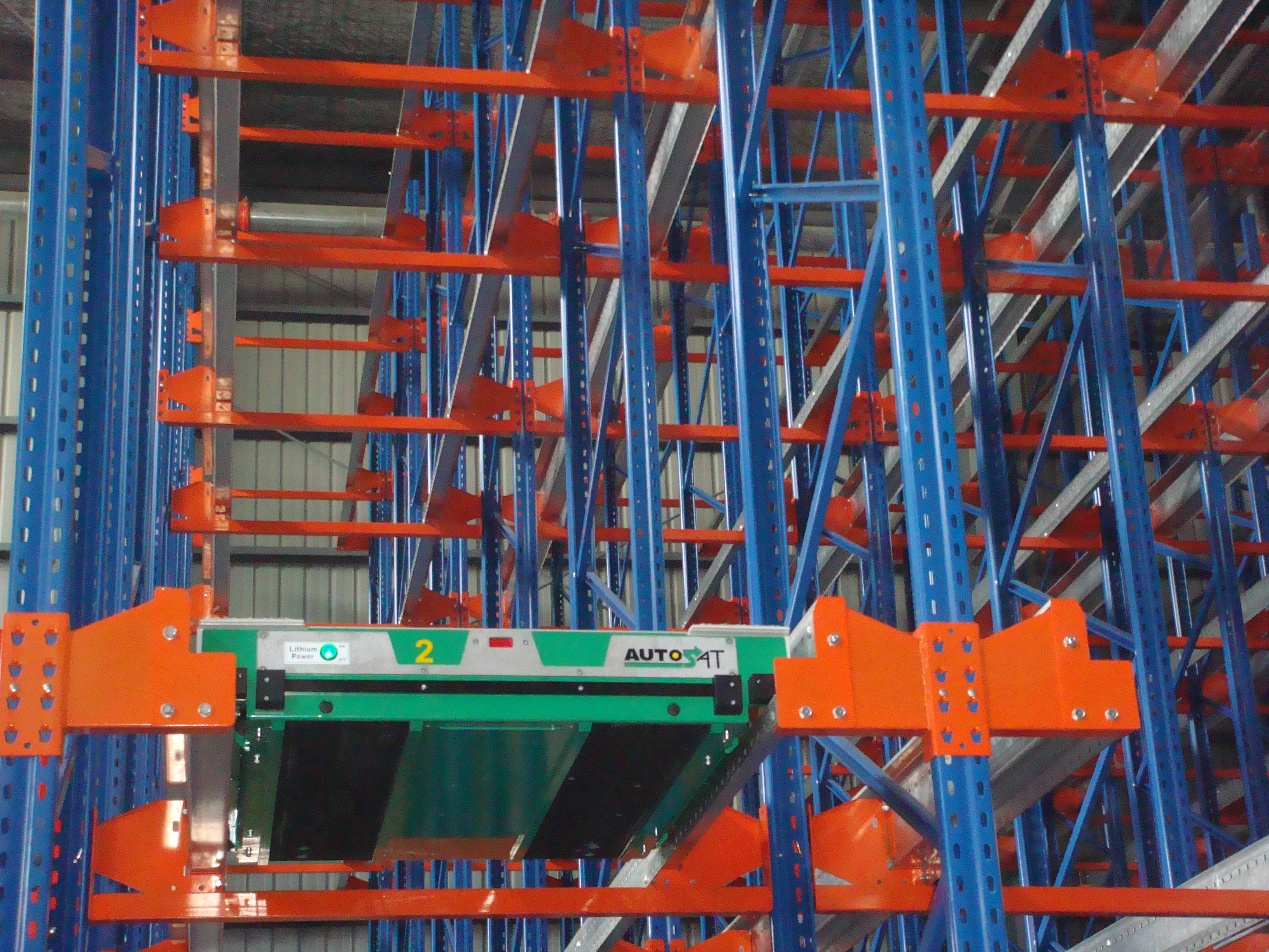
Radio shuttle technology (sometimes called pallet shuttles) represents many operations’ first step into semi-automated storage. The concept is refreshingly straightforward: a remote-controlled motorized platform that travels on rails within the racking structure, handling the horizontal movement of pallets.
“It’s automation without the intimidation,” explains Carlos Rodriguez, who implemented radio shuttles in his food distribution facility. “We weren’t ready for the leap to fully automated systems with their massive costs and infrastructure changes. This was the perfect middle step.”
The benefits Rodriguez found went beyond the obvious space savings:
“Our cold storage area became much more efficient. Instead of drivers spending time in freezing temperatures maneuvering forklifts, they stay in the ambient area while the shuttle does the cold work. Our staff actually cheered when we installed it.”
Across numerous warehouses, I’ve heard similar stories: shuttle systems turning pain points into advantages, particularly in:
- Temperature-controlled environments where minimizing human exposure is valuable
- Staging areas where rapid loading/unloading of entire lanes supports efficient operations
- Storage of similar products where high-density storage doesn’t compromise selectivity
The Four-Way Revolution: When Shuttles Learn New Tricks
While standard radio shuttles move along a single axis, four-way shuttle systems add literal and figurative new dimensions to the technology.
“It’s like comparing checkers to chess,” says Wei Lin, a systems engineer who has implemented both types. “The standard shuttle is straightforward—move forward, move back. The four-way shuttle adds strategic possibility with its ability to move sideways between lanes and connect to lifts for vertical movement.”
This enhanced mobility creates interesting operational possibilities. A craft brewery I visited uses their four-way system to automatically age different batches of beer. The shuttle transfers pallets between “aging lanes” and “ready for distribution” lanes based on production dates, with minimal human intervention.
“We’re a small operation competing with giants,” the brewery’s logistics manager told me. “This system lets us maintain precise control over our aging process while keeping our team focused on brewing, not moving pallets.”
Real Stories, Real Results
The statistics around shuttle systems—increased storage density, improved throughput, reduced labor—are impressive on paper. But the human stories reveal the true impact:
The Seasonal Challenge Solver
A holiday decoration distributor faced crippling seasonal swings, with 80% of their inventory sitting untouched for months before the frantic holiday rush. Their shuttle system created affordable high-density storage for the off-season while enabling rapid access when demand spiked.
“We used to rent additional warehouse space four months a year,” their operations director shared. “The shuttle system eliminated that need entirely, saving us over $200,000 annually in rent alone.”
The Safety Champion
A building materials supplier implemented shuttle racking primarily for density, but discovered unexpected safety benefits. “Our forklift incident rate dropped by 62%,” their safety coordinator reported. “By eliminating the need for drivers to enter storage lanes, we removed a major risk zone in our facility.”
The Reluctant Innovator
Not every story begins with enthusiasm. A regional food distributor’s operations manager confessed: “I fought against this system. I thought it was unnecessary complexity. Six months after installation, I had to eat my words at our management meeting when we reviewed the productivity numbers. Sometimes being proven wrong feels pretty good.”
Finding Your Path Forward
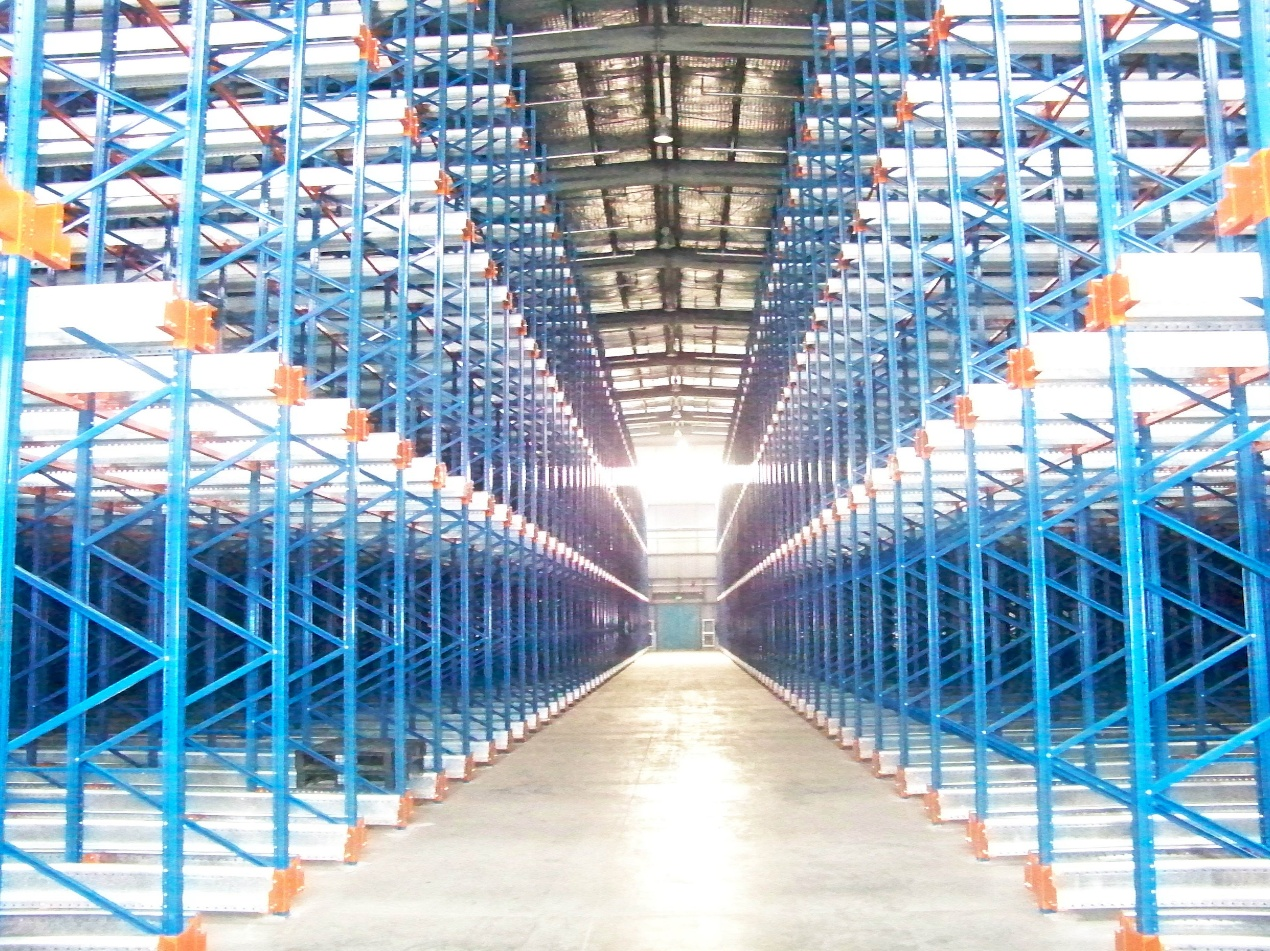
If there’s one consistent message from the warehouse managers I’ve interviewed, it’s this: successful shuttle rack implementation requires clear-eyed assessment of your specific challenges.
Lisa Morgan, a warehouse consultant who has guided dozens of facilities through storage system upgrades, offers this practical advice: “Start by understanding your pain points. Are you running out of space? Is selectivity your issue? Are you concerned about throughput or labor efficiency? The right shuttle configuration should address your specific challenges, not just offer generic benefits.”
Morgan recommends a simple exercise: list your top three warehouse operational challenges, then explore how different shuttle configurations might address them. “It’s not about getting the most advanced system—it’s about finding the right fit for your operation.”
Looking Forward
Warehouse technology continues to evolve rapidly, with shuttle systems becoming increasingly intelligent. New models can incorporate inventory management software, barcode scanning, and even connect with wider warehouse execution systems.
“The line between semi-automated and fully automated is blurring,” observes tech analyst Miguel Santos. “Today’s advanced shuttle systems with integrated software offer many benefits of full automation at a fraction of the cost and complexity.”
For many operations, shuttle rack systems represent not just a storage solution but a strategic step in their automation journey—sophisticated enough to deliver substantial benefits while remaining accessible in terms of cost and implementation complexity.
Your Next Move
If you’re intrigued by how shuttle technology might transform your warehouse operations, consider these next steps:
- Evaluate your current storage pain points and prioritize the challenges you most need to solve
- Explore real installations through facility tours or virtual demonstrations
- Run the numbers with potential suppliers, focusing on total operational impact, not just equipment costs
The warehouse of tomorrow is being built today, one innovation at a time. Shuttle rack systems—whether the straightforward radio shuttle or the more advanced four-way technology—offer a compelling step forward in that evolution.
Isn’t it time you explored what they could do for your operation?
Transform your warehouse from a storage challenge to a strategic advantage—start your shuttle rack exploration today.