


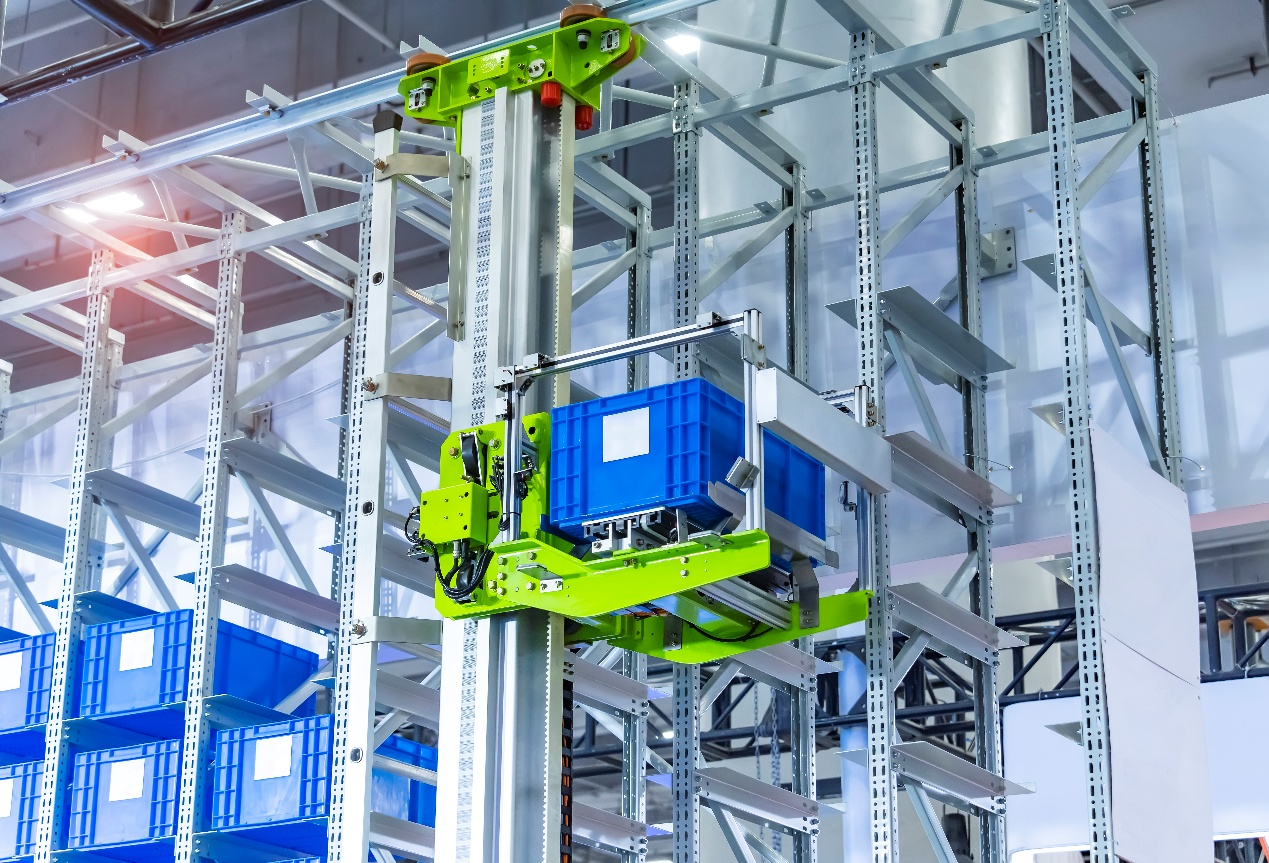
smaller-sized inventory items, offering unprecedented improvements in storage density and operational efficiency.
Behind the Scenes: What Makes CTU Systems Work
“The first time you see it in action, it almost looks like magic,” says Maria Chen, a supply chain consultant who has helped implement dozens of automated systems. “But once you understand the underlying principles, you realize it’s incredibly practical technology.”
Container Transferring Unit systems represent a fundamental rethinking of how storage should work. Rather than bringing people to products (traditional picking) or using massive machinery to move products to people (conventional AS/RS), CTU systems create an environment where robots and inventory coexist in the same space.
The Ecosystem of a CTU Warehouse
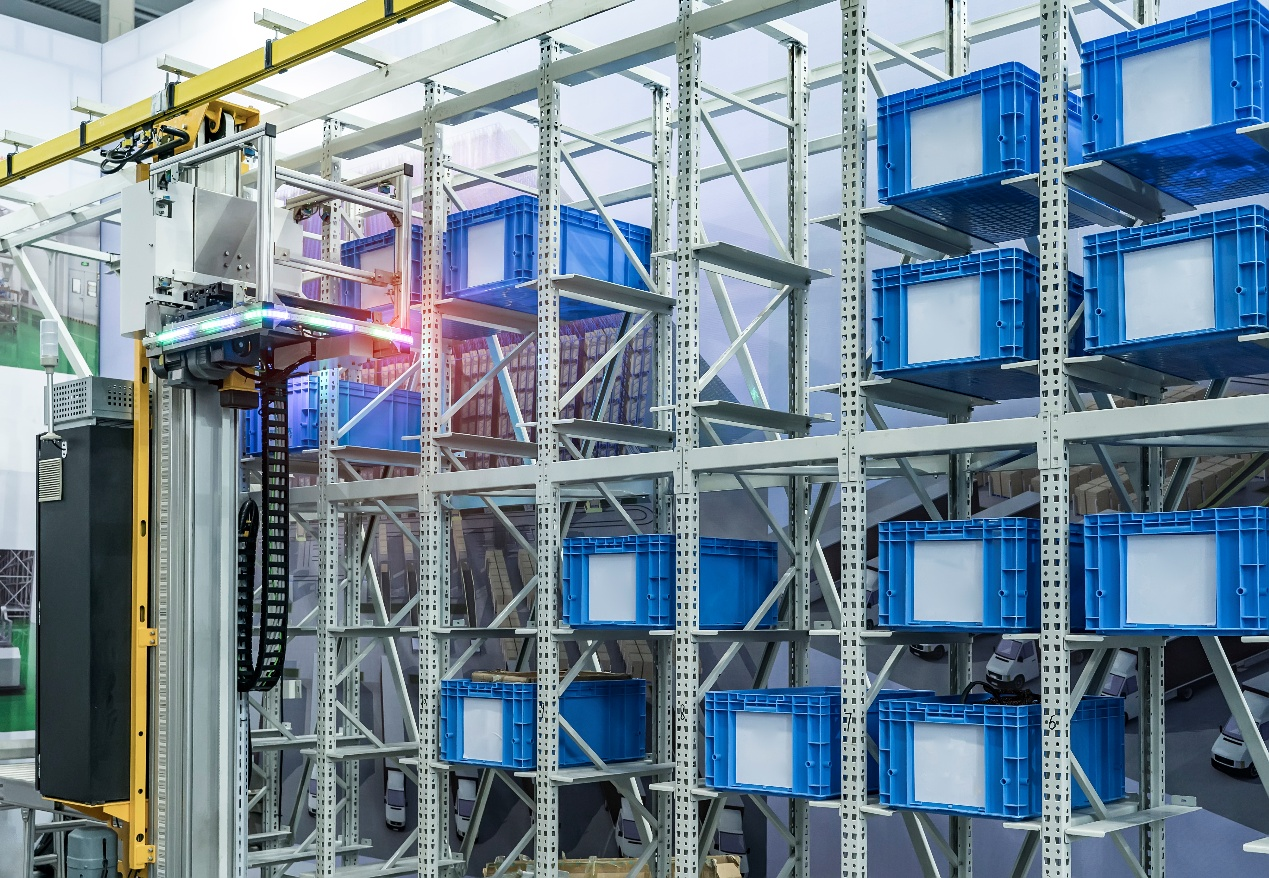
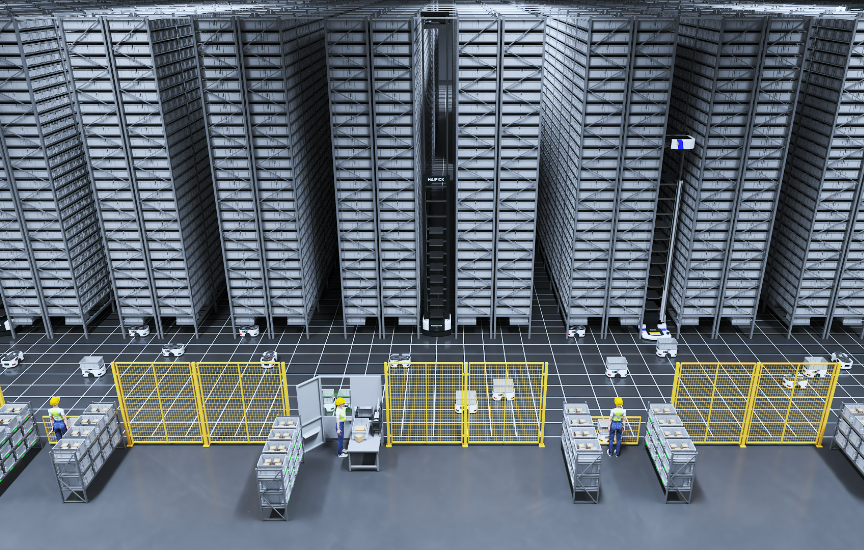
Imagine an elaborate three-dimensional grid filled with thousands of containers. This grid isn’t just storage—it’s also a transportation network. Within this structure, several key elements work together:
The Robots: These aren’t the humanoid machines of science fiction. CTU robots are purpose-built platforms that move along specialized tracks within the rack structure. What makes them remarkable is their ability to move not just horizontally but vertically and even diagonally in some systems, accessing any container in the structure without disturbing others.
The Brains: Sophisticated algorithms continuously calculate optimal paths, prioritize urgent orders, and balance workloads across the robot fleet. This “hive mind” approach means the system actually becomes more efficient as it scales up.
The Interfaces: At the edges of this automated world are the workstations where humans and robots interact. These ergonomically designed stations present containers to operators in precisely the right sequence and position for maximum picking efficiency.
A Day in the Life of a CTU-Powered Warehouse
To truly understand the transformation these systems bring, consider how a typical order flows through:
When an online order comes in for a smartphone case, wireless earbuds, and a charging cable, the warehouse management system immediately identifies the containers holding these items. Within seconds, three different robots are dispatched to retrieve the respective containers.
While conventional systems might process these retrievals sequentially, the CTU robots work in parallel, simultaneously bringing all three containers to different picking stations. A picker receives the first container, follows a light-guided system to select the exact smartphone case, and confirms the pick. Before they’ve even completed this action, the next container is already queued up.
Behind the scenes, the system is continuously reshuffling inventory based on demand patterns it has observed. The most frequently ordered items gradually migrate to optimal positions, further improving efficiency without any manual intervention.
Transforming Operations: The Real-World Impact of CTU Systems
While technical specifications have their place in product descriptions, what truly matters is how these systems transform day-to-day operations. I spoke with several warehouse managers who have implemented CTU technology to understand the tangible differences they’ve experienced.
The Space Revolution
“We were literally weeks away from leasing a second facility,” recalls James Takahashi, operations director at an electronics distributor. “Our business had grown 40% in two years, and we were bursting at the seams. The CTU system completely changed that equation.”
By eliminating traditional aisles and utilizing vertical space more effectively, Takahashi’s team was able to increase their effective storage capacity by nearly 60% within their existing building. This space optimization isn’t just about avoiding a move—it fundamentally changes the economics of warehouse operations in high-rent urban areas where e-commerce fulfillment centers need to be located.
Breaking Through the Bottlenecks
Sarah Jenkins, a logistics manager for a health and beauty retailer, describes the transformation in throughput: “During holiday seasons, we used to hit a wall where no matter how many people we added, we couldn’t process orders any faster.”
The parallel processing capabilities of CTU systems shattered this ceiling. With multiple robots working simultaneously, Jenkins’ team increased their peak throughput by over 300%. “We’re not just faster—we’re more consistent. The system doesn’t get tired at the end of a long shift.”
The Sustainability Angle
For David Müller, sustainability coordinator at a European fulfillment operation, the energy efficiency of CTU systems was a game-changer. “Our previous automated system required massive amounts of power. The CTU robots use roughly 70% less energy while actually improving performance.”
This reduction isn’t just good for the environment—it translates directly to lower operational costs and supports corporate sustainability initiatives that are increasingly important to consumers and investors alike.
Adapting in Real-Time
The adaptability of CTU systems proves particularly valuable in today’s volatile market conditions. “We launched three new product lines last year, and our inventory profile completely changed,” explains retail supply chain director Lisa Chen. “With our old system, this would have required major reconfiguration. The CTU just adapted on the fly.”
This adaptability extends to handling demand fluctuations as well. During peak seasons, additional robots can be deployed to increase throughput without structural changes to the facility.
Beyond Theory: Who’s Actually Using CTU Technology?
The abstract benefits of automation are one thing, but understanding who’s actually deploying these systems provides valuable context. I’ve observed CTU technology making the greatest impact in several distinct sectors:
The E-commerce Pioneers
Online retailers were among the earliest adopters of CTU systems, and for good reason. Their business model demands handling thousands of SKUs in relatively small quantities—exactly the scenario where these systems excel. One major online marketplace reports that their CTU implementation reduced order-to-ship time from 3.5 hours to just 38 minutes.
Pharmaceutical Precision
“In our industry, accuracy isn’t just about customer satisfaction—it’s a regulatory requirement,” explains a distribution manager at a pharmaceutical supplier who requested anonymity. The near-perfect accuracy rates of CTU systems (typically exceeding 99.9%) make them ideal for medications and medical supplies where errors can have serious consequences.
The Electronics Advantage
Computer components, smartphones, and other electronic items represent the perfect use case for CTU technology—high-value, relatively small items that require careful handling and precise inventory control. Several major electronics distributors have reported inventory shrinkage reductions of over 80% after implementing CTU systems.
Learning from Experience: The Implementation Journey
When I asked warehouse professionals about their CTU implementation experiences, their responses revealed both enthusiasm and hard-earned wisdom. Rather than focusing on technical specifications, they emphasized the human and organizational aspects of successful transitions.
The Psychology of Automation
“The biggest challenge wasn’t technical—it was psychological,” admits operations manager Carlos Rodriguez. “Some staff members saw the robots as threats to their jobs. We had to work hard to demonstrate that the system would eliminate the most physically demanding and repetitive tasks while creating new roles requiring human judgment and problem-solving.”
Rodriguez’s team implemented a comprehensive change management program, including staff involvement in system design and extensive training programs for new roles. “Today, our most vocal critics have become our biggest advocates,” he says with a smile.
The Phased Approach
Most successful implementations follow a phased approach rather than attempting a “big bang” transition. Retail supply chain executive Taylor Williams recommends starting with a portion of inventory: “We began with our fastest-moving 20% of SKUs. This allowed us to learn and adjust before full implementation while immediately improving efficiency for our most critical items.”
The Integration Challenge
“Don’t underestimate the integration work,” cautions IT director Priya Sharma. “The CTU system needs to communicate seamlessly with your WMS, inventory management, and order processing systems.” Sharma recommends allocating significant IT resources to integration and thoroughly testing all interfaces before going live.
The ROI Reality
While the capital investment for CTU systems is substantial, the return on investment often exceeds expectations. A sporting goods distributor shared their financial analysis showing an initial projection of 36 months to ROI. “We actually hit the break-even point in 22 months,” their CFO reports. “The labor savings were in line with projections, but we underestimated the revenue benefits of faster fulfillment and the reduction in error-related costs.”
A Tale of Transformation
Perhaps the most compelling story comes from a mid-sized fashion retailer that was struggling to compete with larger players in the e-commerce space. After implementing a CTU system, they achieved:
- Same-day shipping for orders placed before 4pm, compared to their previous 2-3 day processing time
- Reduction in picking staff from 27 to 12 people, with those employees reassigned to higher-value roles
- 42% more storage capacity within their existing facility
- Ability to handle 3x their normal volume during peak season without temporary staffing
“This technology literally saved our business,” their operations VP told me. “We couldn’t compete on shipping speed before. Now we match or exceed our larger competitors while actually reducing our operational costs.”
Looking Forward: What’s Next for CTU Technology?
Innovation in this field continues at a breakneck pace. During my research, I had the opportunity to visit several technology labs where the next generation of CTU systems is taking shape. While some developments remain under wraps, several clear trends have emerged:
The Intelligence Evolution
“The robots are getting smarter,” explains automation engineer Lin Wei. “We’re moving beyond simple path optimization to truly predictive systems.” These AI-enhanced systems begin retrieving containers for anticipated orders before they’re even placed, based on historical patterns and real-time signals like website browsing activity.
The Picking Revolution
The next frontier appears to be the integration of robotic picking at workstations. “Right now, robots bring containers to humans for picking,” notes robotics researcher Dr. Elena Kuznetsova. “We’re approaching the point where robots will handle the entire process for many standard items, with humans focusing on complex or delicate products.”
The Network Effect
Perhaps most intriguing is the emergence of cloud-based systems that optimize across multiple facilities. “Imagine a retailer with five regional fulfillment centers all running CTU systems,” suggests logistics futurist Marcus Allen. “The cloud control system could dynamically balance inventory and orders across all locations based on shipping costs, inventory levels, and capacity utilization.”
The Decision Point: Is CTU Right for Your Operation?
After speaking with dozens of warehouse professionals and touring multiple CTU implementations, one thing becomes clear: this technology represents a fundamental shift in how warehouses operate, not merely an incremental improvement.
For operations handling thousands of SKUs in mini load containers—particularly those facing space constraints, labor challenges, or competitive pressure to improve fulfillment speed—CTU systems offer a transformative solution. The initial investment is substantial, but the benefits extend beyond cost savings to create strategic competitive advantages in customer satisfaction, adaptability, and sustainability.
As one warehouse director put it: “We didn’t just change our storage system—we changed our business.”
Take the Next Step Today
Is your operation ready to explore the possibilities of CTU Robot Rack technology? Here’s how to begin:
- Schedule a personalized assessmentwith our warehouse automation specialists to evaluate your current operations and identify potential benefits
- Request our detailed ROI calculatorto run customized scenarios based on your operation’s unique parameters
Don’t let your competitors gain the advantage of next-generation automation while you’re still dealing with the limitations of conventional storage systems. Contact our team today at [contact information] or visit [website] to begin your journey toward warehouse transformation.
Your future operation is calling—will you answer?