


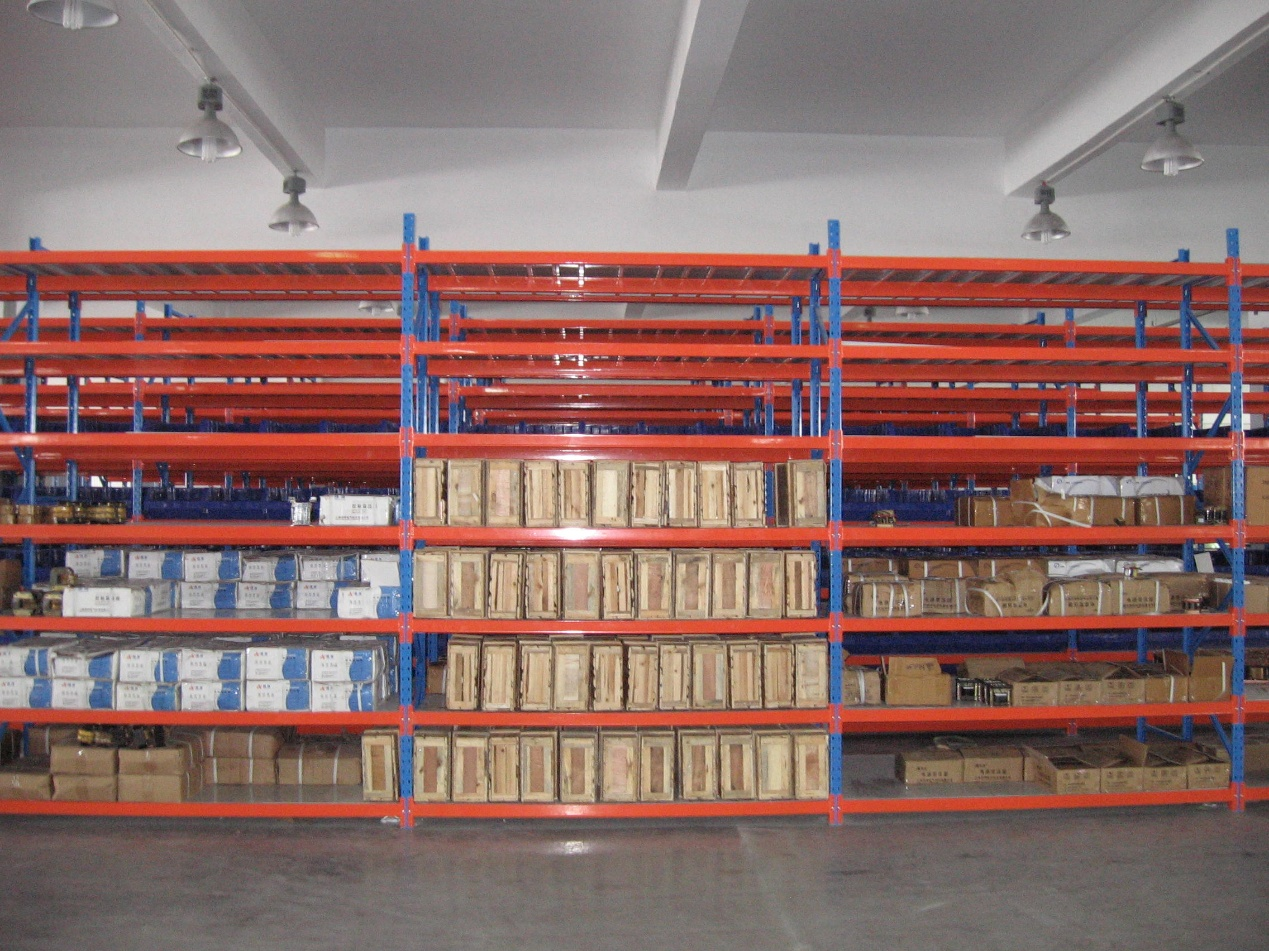
Longspan shelving represents a significant investment in your warehouse or storage facility’s infrastructure. When properly installed and maintained, these versatile storage systems can provide decades of reliable service. However, cutting corners on installation or neglecting regular maintenance can lead to reduced capacity, premature wear, safety hazards, and even catastrophic failures.
This comprehensive guide covers best practices for both initial installation and ongoing maintenance to ensure your longspan shelving system remains safe, functional, and cost-effective throughout its service life.
Part 1: Installation Best Practices
Pre-Installation Planning
Proper planning before the first upright is assembled can prevent costly mistakes and ensure optimal performance:
Site Preparation
- Floor assessment: Verify that the floor can support the anticipated load. Concrete floors should be in good condition without significant cracks or unevenness.
- Measure floor levelness: For floors with variations exceeding 5mm across the installation area, shims may be required under uprights.
- Overhead clearance: Check for sprinkler systems, lighting fixtures, and HVAC ducts that might interfere with the shelving height.
- Column spacing: Map out building columns and incorporate them into your layout plan.
Layout Optimization
- Traffic flow analysis: Plan aisle widths based on the type of access equipment (hand picking requires minimum 750mm aisles; trolleys typically need 1200mm).
- Fire safety compliance: Ensure adequate distance from sprinkler heads (typically 450mm clearance) and access to fire exits.
- Zone planning: Group similar products or pick frequencies to optimize workflow.
Assembly Process
Correct assembly is critical for achieving the rated capacity and safety of your longspan shelving:
Framework Assembly
- Follow manufacturer specifications: Always adhere to the specific instructions for your shelving model.
- Upright assembly: Ensure all bracing is properly secured and tightened to the recommended torque.
- Level verification: Use a spirit level on each upright as it’s installed and adjust with shims as necessary.
- Floor anchoring: In most installations, uprights should be anchored to the floor using appropriate anchors for your floor type.
Beam Installation
- Correct beam level: Install all beams at the same level on each upright to ensure even load distribution.
- Safety locks: Verify that all beam safety locks are engaged properly after installation.
- Beam spacing: Follow load capacity charts for appropriate vertical spacing between beams.
- Uniform bay loading: Plan for loads to be distributed evenly across each bay.
Deck/Shelf Installation
- Complete coverage: Ensure deck panels fully cover the beams without gaps.
- Secure placement: All deck panels should be securely seated and unable to shift under normal use.
- Edge protection: Consider adding front edge protectors in high-traffic areas to prevent damage from carts or hand trucks.
Post-Installation Verification
Before loading your newly installed shelving, conduct these essential checks:
Safety Inspection
- Structural integrity: Verify all components are properly secured and connected.
- Vertical alignment: Check that uprights are plumb (vertical) in both directions.
- Horizontal levelness: Confirm all beams are level and at consistent heights.
- Safety component verification: Ensure all locks, pins, and safety devices are in place and functional.
Documentation
- Load rating signage: Install clear load capacity signs on each bay (both per level and bay total).
- Installation certification: Document that the installation meets manufacturer specifications and local regulations.
- System mapping: Create a numbered map of your shelving layout for future reference during audits or reconfigurations.
Part 2: Maintenance Best Practices
Regular maintenance extends the life of your longspan shelving and helps prevent safety incidents:
Routine Inspection Schedule
Implement a regular inspection program at these recommended intervals:
Daily Visual Checks
- Quick visual scan for obvious damage or misalignment
- Verification that aisles are clear of obstacles
- Check for inappropriately stacked or stored items
Weekly Inspections
- Check for overloaded shelves exceeding posted capacity
- Inspect for improperly distributed loads
- Look for damaged or missing load ratings
- Verify beam locks are properly engaged
Monthly Thorough Inspections
- Detailed check of all uprights for impact damage
- Examination of beam connectors and safety locks
- Assessment of shelf/deck condition and secure placement
- Inspection of floor anchors for tightness and integrity
Annual Professional Audit
- Comprehensive inspection by qualified personnel
- Documentation of system condition
- Verification against original installation specifications
- Adjustment or replacement of damaged components
Common Issues and Remediation
Know how to identify and address these frequent maintenance concerns:
Upright Damage
- Identifying problem: Bent, kinked, or dented uprights, especially near the floor.
- Cause: Usually forklift or pallet jack impact.
- Remedy: Replace damaged uprights immediately. Never attempt to straighten bent components.
- Prevention: Install upright protectors at the ends of aisles and corners.
Beam Issues
- Identifying problem: Sagging beams, disengaged safety locks, or impact damage.
- Cause: Overloading, improper installation, or impact.
- Remedy: Replace damaged beams. Never use beams without functional safety locks.
- Prevention: Ensure strict adherence to load ratings and proper load distribution.
Connection Failures
- Identifying problem: Loose connections between components, missing or damaged locks.
- Cause: Vibration, improper assembly, or age.
- Remedy: Tighten connections according to specifications; replace damaged connectors.
- Prevention: Regular inspection and immediate addressing of loose components.
Floor Anchor Issues
- Identifying problem: Loose or pulled-out anchors, cracked concrete around anchors.
- Cause: Dynamic loads, impact, or inadequate initial installation.
- Remedy: Install new anchors in sound concrete; never reuse anchor holes.
- Prevention: Proper initial anchor selection and installation for your specific floor type.
Load Management
Proper loading practices are essential for system longevity:
Weight Distribution
- Distribute weight evenly across each shelf level
- Avoid concentrating heavy items on one side of a shelf
- Place heavier items on lower levels when possible
Proper Stacking
- Do not allow items to overhang shelf edges
- Stack boxes in stable configurations
- Consider load dividers for small or unstable items
Dynamic Loading
- Be aware that impact loading (dropping items onto shelves) effectively multiplies the static weight
- Implement proper training for manual handling procedures
- Consider the cumulative effect of frequent impact loading on system integrity
Environmental Factors
Your storage environment can significantly impact shelving longevity:
Moisture Control
- In humid environments, inspect more frequently for signs of corrosion
- Address any water leaks or condensation issues promptly
- Consider galvanized or specialized coatings for damp environments
Temperature Fluctuations
- Extreme temperature changes can affect the structural integrity over time
- Outdoor or semi-outdoor installations require specialized components and more frequent inspection
- Verify that your shelving system is rated for your specific environmental conditions
Chemical Exposure
- Standard paint finishes offer limited chemical resistance
- Identify and mitigate potential chemical exposures
- Specialized coatings are available for harsh environments
Part 3: Safety Culture and Training
The human element is crucial for maintaining shelving safety:
Staff Training
Implement comprehensive training programs:
Proper Loading Techniques
- Train staff on weight assessment and proper load placement
- Educate on the dangers of overloading and improper weight distribution
- Implement simple tools like reference weights to help staff estimate loads
Damage Reporting
- Create clear procedures for reporting damage
- Implement a “tag out” system for damaged bays
- Reinforce that reporting damage is a safety priority, not a blame exercise
Operator Training
- Ensure equipment operators understand the potential damage their equipment can cause
- Train on proper aisle navigation and awareness
- Implement consequences for reckless operation near shelving
Documentation and Records
Maintain thorough records for compliance and risk management:
Inspection Logs
- Document all inspections with dates, findings, and actions taken
- Keep records of repairs and component replacements
- Maintain photographs of identified issues and their resolution
Load Rating Documentation
- Keep original design specifications on file
- Document any configuration changes that affect load capacity
- Regularly verify that posted load ratings match current configuration
Incident Reports
- Document any shelving failures or near-misses
- Analyze root causes and implement preventive measures
- Share learnings across the organization to prevent recurrence
Part 4: Reconfiguration and System Evolution
As your storage needs change, your shelving system can adapt:
Safe Reconfiguration Practices
Follow these guidelines when modifying your existing system:
Planning
- Document the current configuration before making changes
- Verify that new configurations comply with manufacturer specifications
- Consider the impact on overall system stability
Unloading Sequence
- Completely unload shelves before reconfiguration
- Work from top to bottom when disassembling
- Never remove lower beams while upper levels are still loaded
Component Inspection
- Inspect all components for damage before reuse
- Never reuse damaged components
- Consider replacing older components during major reconfigurations
Post-Modification Verification
- Conduct a full inspection after any reconfiguration
- Update load rating signage to reflect new configuration
- Document the new configuration for future reference
System Expansion
When adding to your existing shelving:
Compatibility
- Verify that new components are compatible with existing shelving
- Use identical components when possible to maintain consistent load ratings
- Document any areas with mixed component types
Integrated Planning
- Consider workflow impacts of system expansion
- Maintain adequate aisle space and emergency access
- Update facility maps and documentation
Conclusion: The Value of Proactive Maintenance
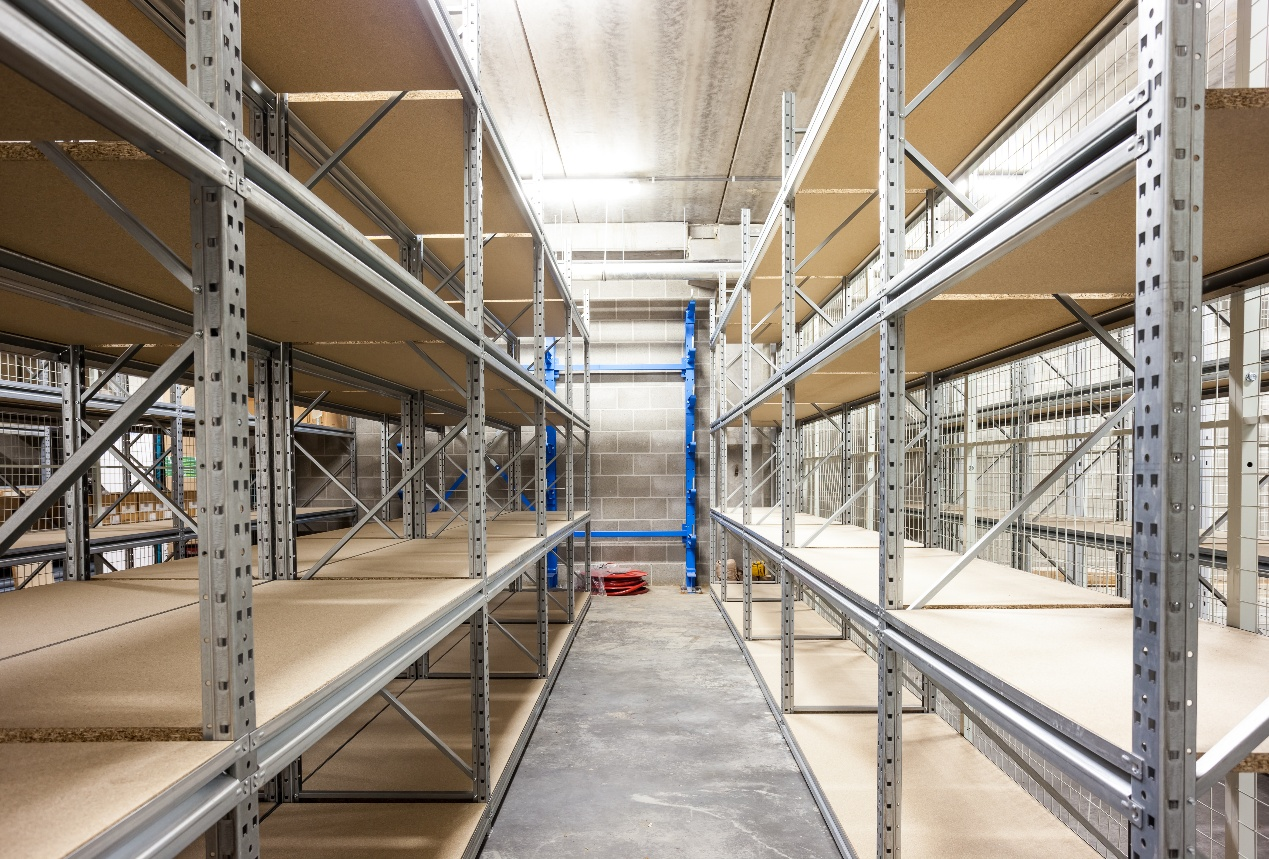
A well-maintained longspan shelving system provides:
- Enhanced safetyfor warehouse personnel
- Maximum return on investmentthrough extended service life
- Consistent operational efficiencywithout disruptions from failures
- Regulatory compliancewith workplace safety requirements
- Reduced replacement coststhrough early identification of issues
By following these installation and maintenance best practices, you’ll ensure your longspan shelving system remains a valuable asset for your operation for years to come.
Remember that the small investment in regular maintenance and proper installation is insignificant compared to the costs associated with system failure, product damage, or workplace injuries resulting from neglected shelving.
For specific questions about your longspan shelving system or to schedule a professional inspection, contact our expert team today.