


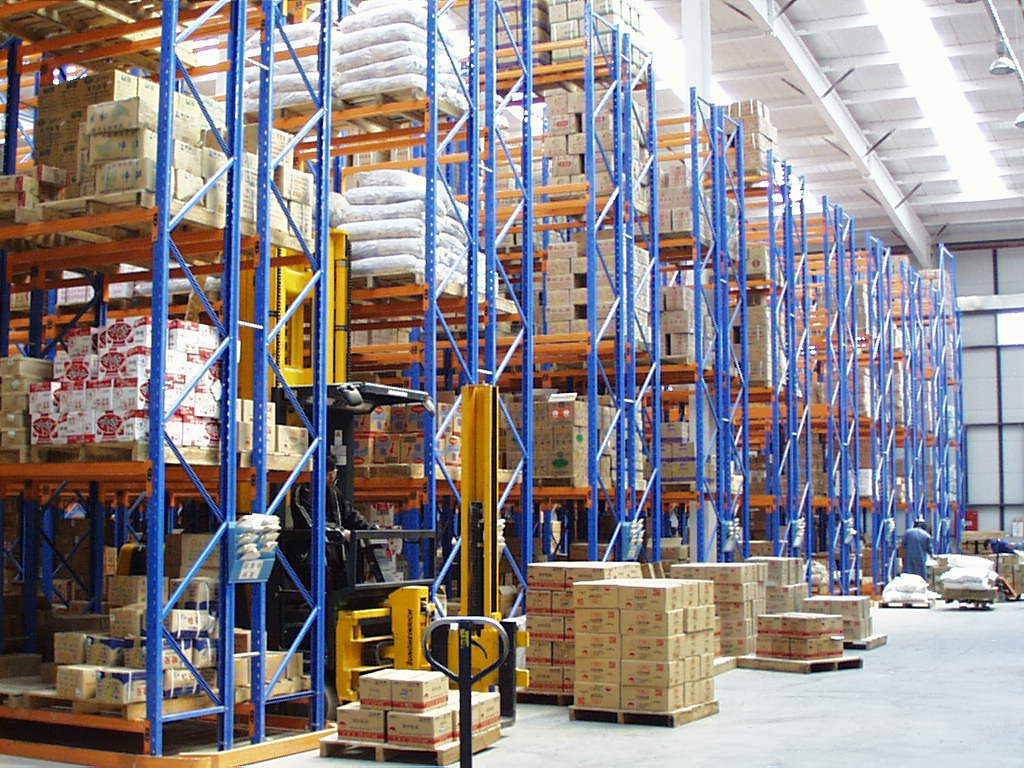
Maximizing Warehouse Space: The VNA Racking Dilemma
Every warehouse manager dreams of squeezing every inch of storage space while keeping operations smooth. Enter Very Narrow Aisle (VNA) Racking—the warehouse equivalent of a high-rise apartment building. By drastically reducing aisle width and stretching storage upwards, VNA racking promises sky-high efficiency. But does it really deliver? Or is it just a logistical nightmare waiting to happen? Let’s find out.
The Case for VNA Racking: Why Warehouses Love It
- Packing More into Less
Imagine fitting 40% more products into the same warehouse footprint—sounds like magic, right? VNA racking achieves this by slashing aisle width down to as little as 1.6 meters, compared to the usual 3-4 meters required for standard forklifts. If real estate prices have you sweating, VNA racking might just be your best friend.
- Sky-High Storage Without a Warehouse Expansion
Instead of hunting for a bigger warehouse, why not build upwards? VNA systems are designed for tall storage, making use of vertical space that would otherwise go to waste. When paired with specialized VNA forklifts, pallets can be stacked at impressive heights while still remaining accessible.
- A Tidy and Organized Inventory
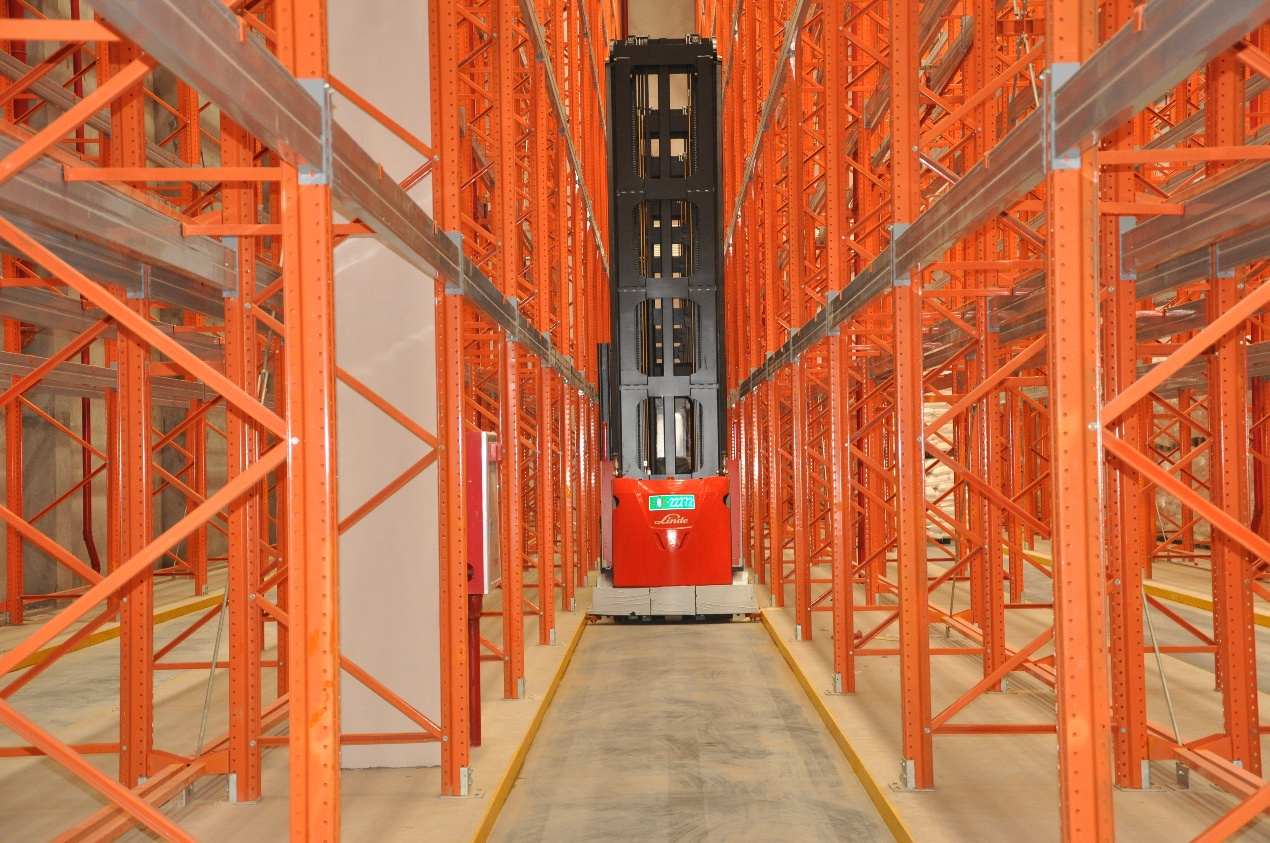
Ever walked into a warehouse that looked like a tornado just swept through? VNA racking helps maintain order, with each pallet neatly slotted into place. Plus, specialized forklifts operate on fixed tracks or guidance systems, reducing accidental collisions and ensuring smooth, controlled movement.
- Improved Safety Measures
With such precise movements and designated lanes, VNA forklifts help reduce accidents caused by random maneuvering. Less aisle congestion also means fewer warehouse mishaps—always a win for both safety and efficiency.
The Challenges of VNA Racking: What You Need to Know
- High Initial Investment
Before you start redesigning your warehouse, let’s talk numbers. VNA systems require customized forklifts, guidance systems, and precise layout planning—all of which add up. While the long-term savings in space utilization may justify the cost, the upfront investment isn’t for the faint of heart.
- Limited Operational Flexibility
Once a VNA system is in place, it’s not easy to rearrange. Need to adjust aisles for larger products? Tough luck. Unlike selective pallet racks that can be easily reconfigured, VNA systems are built for efficiency but lack adaptability.
- Potential Bottlenecks in High-Throughput Warehouses
One forklift per aisle—sounds like a recipe for slowdowns, right? Unlike wider aisles where multiple forklifts can operate simultaneously, VNA setups mean only one vehicle can navigate at a time. In high-turnover operations, this could cause delays, especially during peak shipping seasons.
- Requires Specialized Training and Equipment
Not every forklift operator can jump into a VNA machine and start zipping around. These specialized vehicles require training, and their maintenance can be pricier than standard forklifts. If your warehouse has a high staff turnover, training new operators frequently might become a headache.
Is VNA Racking the Right Fit for Your Business?
So, should you take the plunge and invest in a VNA system? Here’s the short answer:
Go for it if:
- You need to maximize storage capacity within an existing warehouse.
- Your business prioritizes storage density over picking speed.
- You can afford the investment in specialized equipment and training.
Think twice if:
- You have high-volume, fast-moving inventory that requires rapid access.
- Your warehouse layout frequently changes.
- Your budget is tight, and you need a more flexible storage solution.
Final Thoughts: A Game Changer or a Logistics Puzzle?
VNA racking can be a game-changing solution for businesses that need to maximize space and are willing to invest in specialized operations. However, for those with fast-paced logistics or ever-changing storage needs, it might create more headaches than solutions.
Still on the fence? Consider reaching out to storage solution experts (like us!) to discuss your warehouse setup. The best storage system isn’t just about space—it’s about what works best for your workflow.