


Introduction: The Racking Showdown
Let’s face it – choosing a pallet racking system isn’t exactly the most thrilling decision you’ll make today. But guess what? It matters. A lot. The wrong racking system could leave you with wasted space, inefficiency, and a frustrated warehouse team. So, how do you pick the right one? Do you go with the classic Selective Pallet Rack, the high-density Drive-In Rack, or the space-maximizing Push Back Rack?
We’re here to break it all down in a way that won’t put you to sleep. Let the racking showdown begin!
Meet the Contenders
- Selective Pallet Rack: The Versatile Workhorse
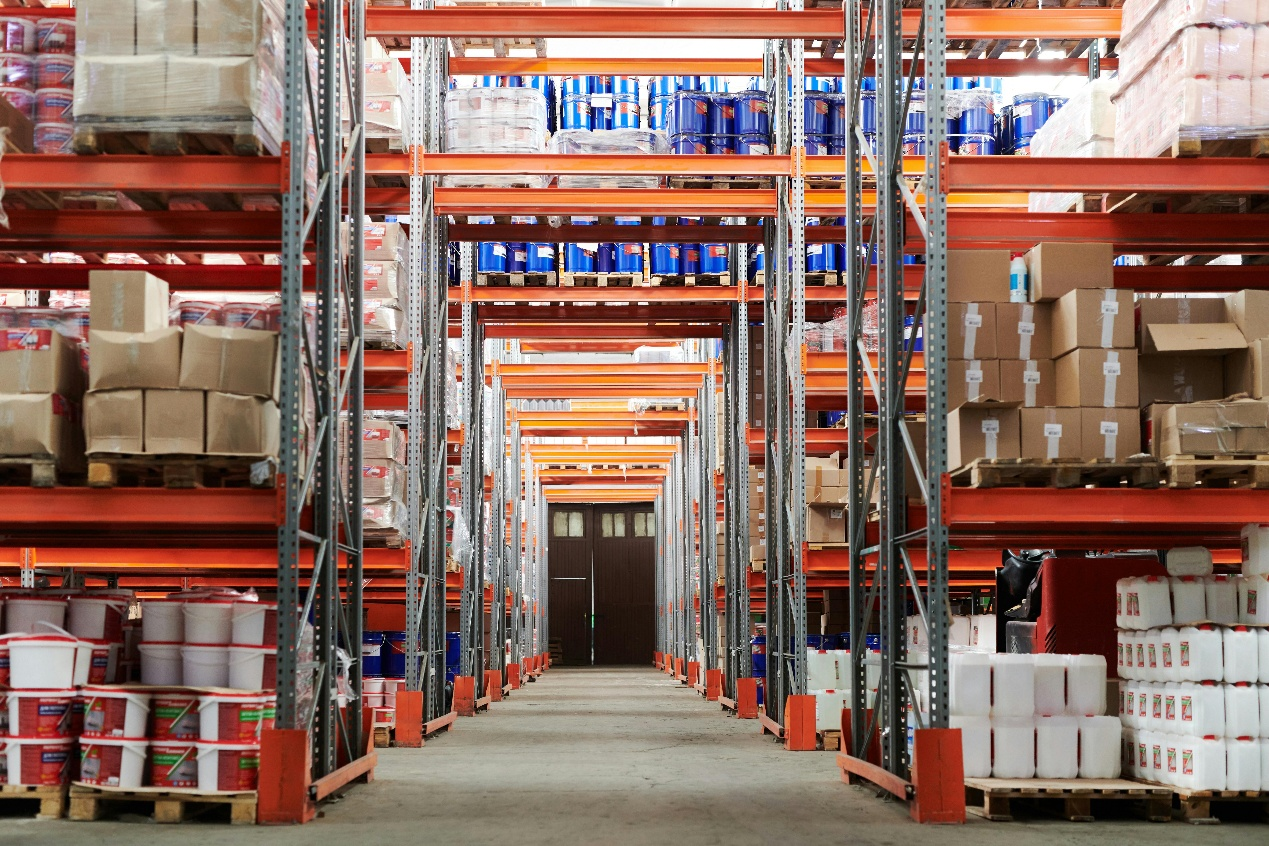
Think of Selective Pallet Racks as the Swiss Army knife of warehouse storage. They’re the most commonly used type because they’re:
- Flexible– Can handle a wide range of products, from light-duty to heavy-duty pallets.
- Direct Access– Every pallet is easily reachable without moving others. No puzzle-solving required.
- Budget-Friendly– Compared to other systems, it’s one of the most cost-effective options.
But… it’s not the best at space-saving. If maximizing every inch of your warehouse is a priority, this might not be your best bet.
- Drive-In Pallet Rack: The High-Density Storage Champion
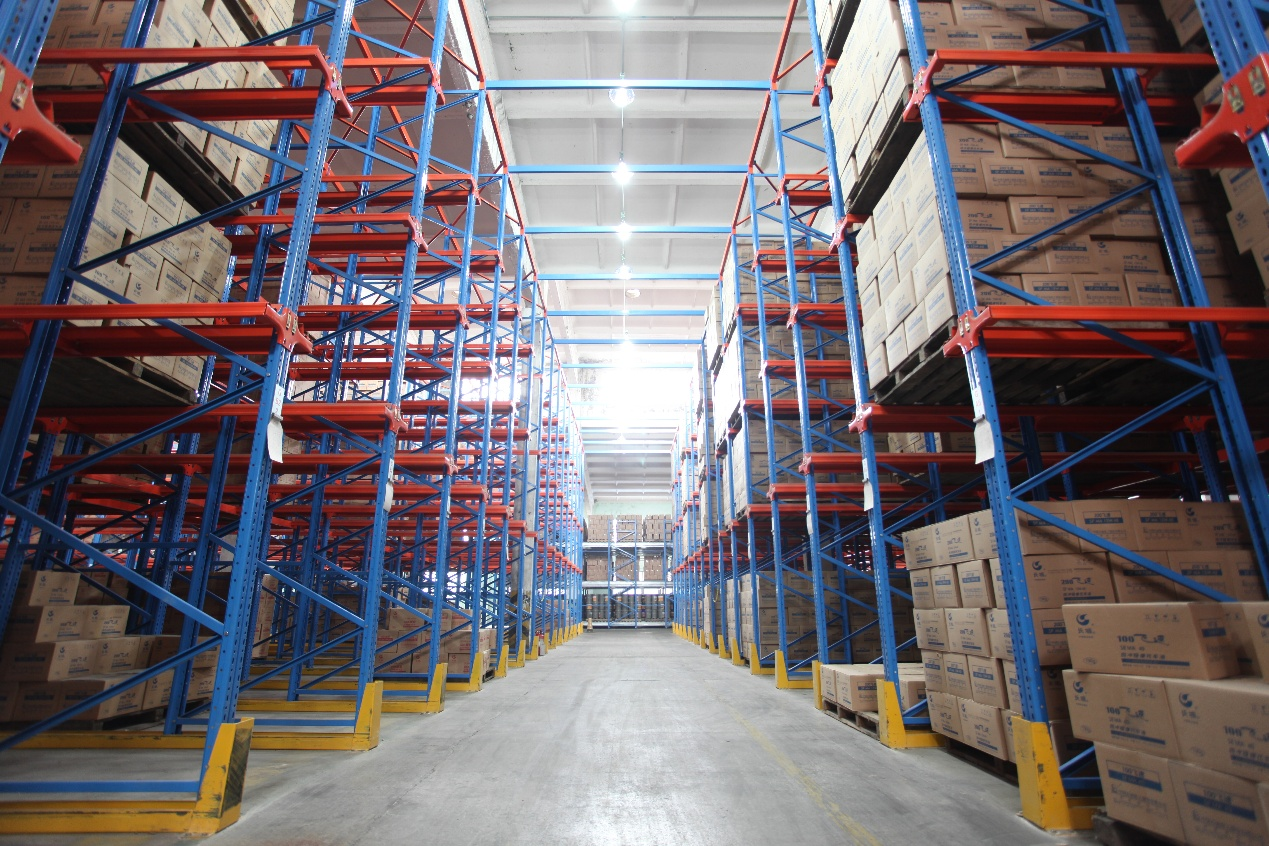
If your warehouse is screaming for more storage capacity, Drive-In Racking might be the answer. This system is all about density.
- Great for LIFO (Last-In, First-Out) storage– If you store bulk quantities of the same product and don’t need frequent rotation, this is a winner.
- Eliminates excess aisles– Pallets are stored back-to-back, reducing wasted space.
- Ideal for cold storage & seasonal inventory– Got products that sit for a while before moving out? This system thrives in those environments.
But… if you need constant access to different SKUs, Drive-In Racks can quickly turn into a logistical headache. Your forklift drivers may not thank you for the tight maneuvering either.
- Push Back Pallet Rack: The Gravity-Defying Storage Magician
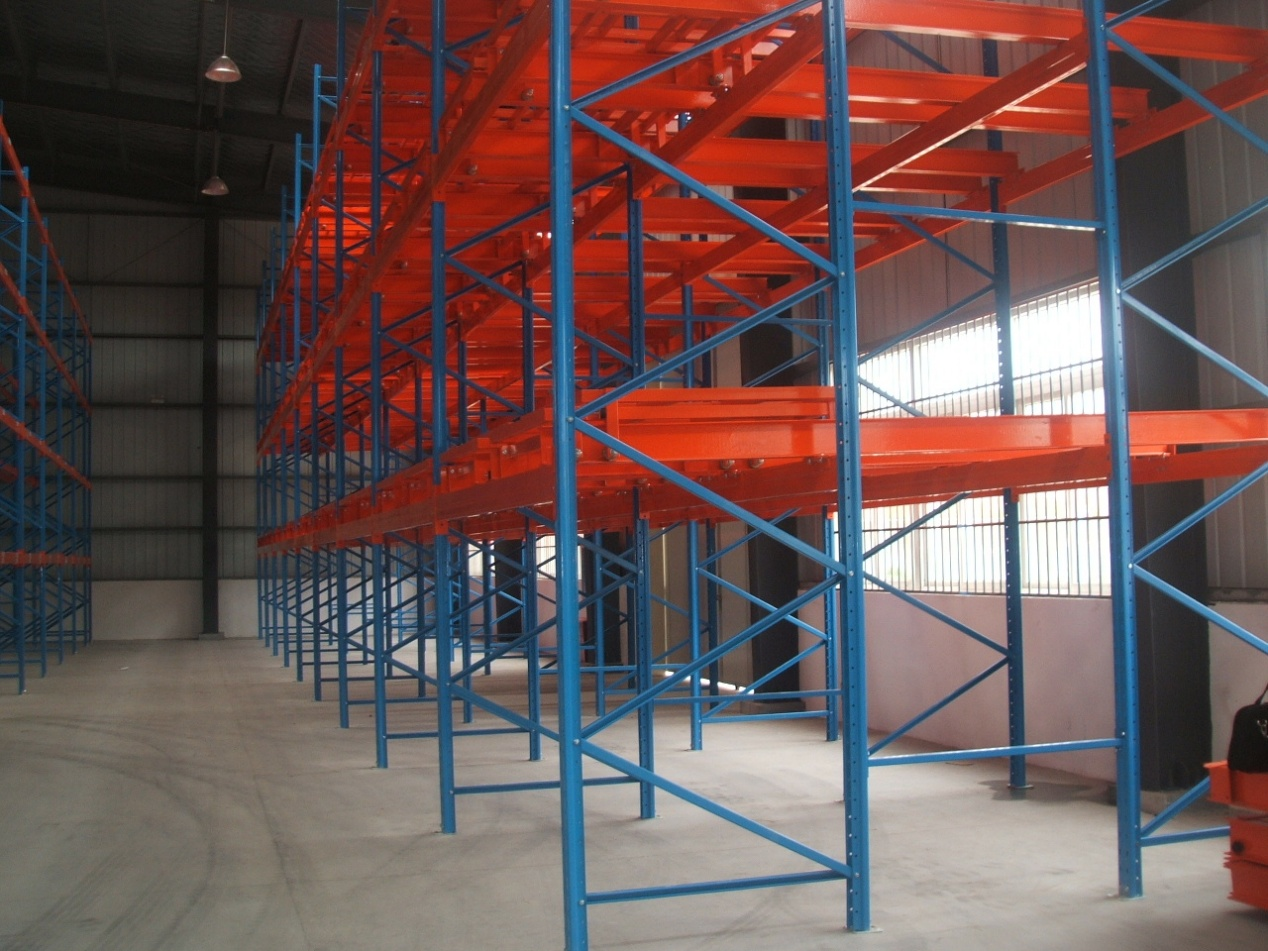
Imagine a racking system that does some of the work for you. That’s Push Back Racking. Here’s why it’s awesome:
- LIFO storage but with better selectivity– Unlike Drive-In, every lane has independent access.
- Maximizes storage density– Pallets are stored 2-6 deep per lane, reducing the number of aisles needed.
- Uses gravity to push pallets forward– Every time you remove a pallet, the next one glides into place. No forklift gymnastics required.
But… it’s pricier than Selective Racks and isn’t suitable for FIFO (First-In, First-Out) storage needs.
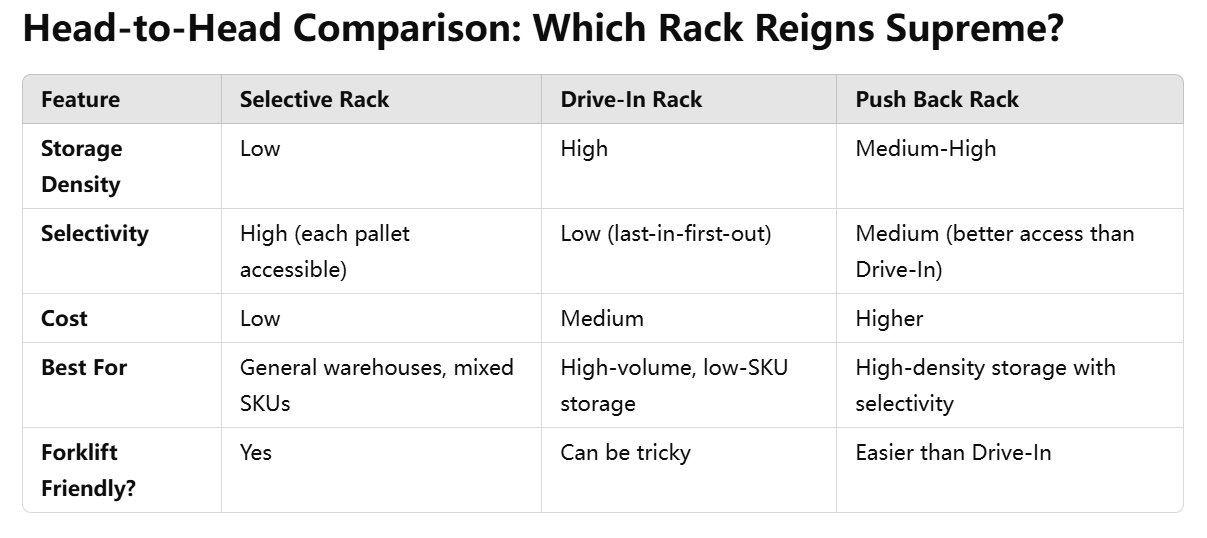
Head-to-Head Comparison: Which Rack Reigns Supreme?
| Feature | Selective Rack | Drive-In Rack | Push Back Rack |
| Storage Density | Low | High | Medium-High |
| Selectivity | High (each pallet accessible) | Low (last-in-first-out) | Medium (better access than Drive-In) |
| Cost | Low | Medium | Higher |
| Best For | General warehouses, mixed SKUs | High-volume, low-SKU storage | High-density storage with selectivity |
| Forklift Friendly? | Yes | Can be tricky | Easier than Drive-In |
So, Which One Should You Choose?
If you made it this far, congrats! You now know more about pallet racks than most people ever will. But let’s get to the point:
- Choose Selective Pallet Racksif you need easy access to all your products and aren’t struggling with space constraints.
- Go for Drive-In Rackingif you have high-volume storage needs, don’t need frequent stock rotation, and want to maximize space.
- Opt for Push Back Rackingif you want the best of both worlds – high density and better selectivity.
Still unsure? Let’s talk! We’re happy to help you find the perfect racking system for your warehouse needs. After all, storage should work for you, not against you. 🚀
表格: