


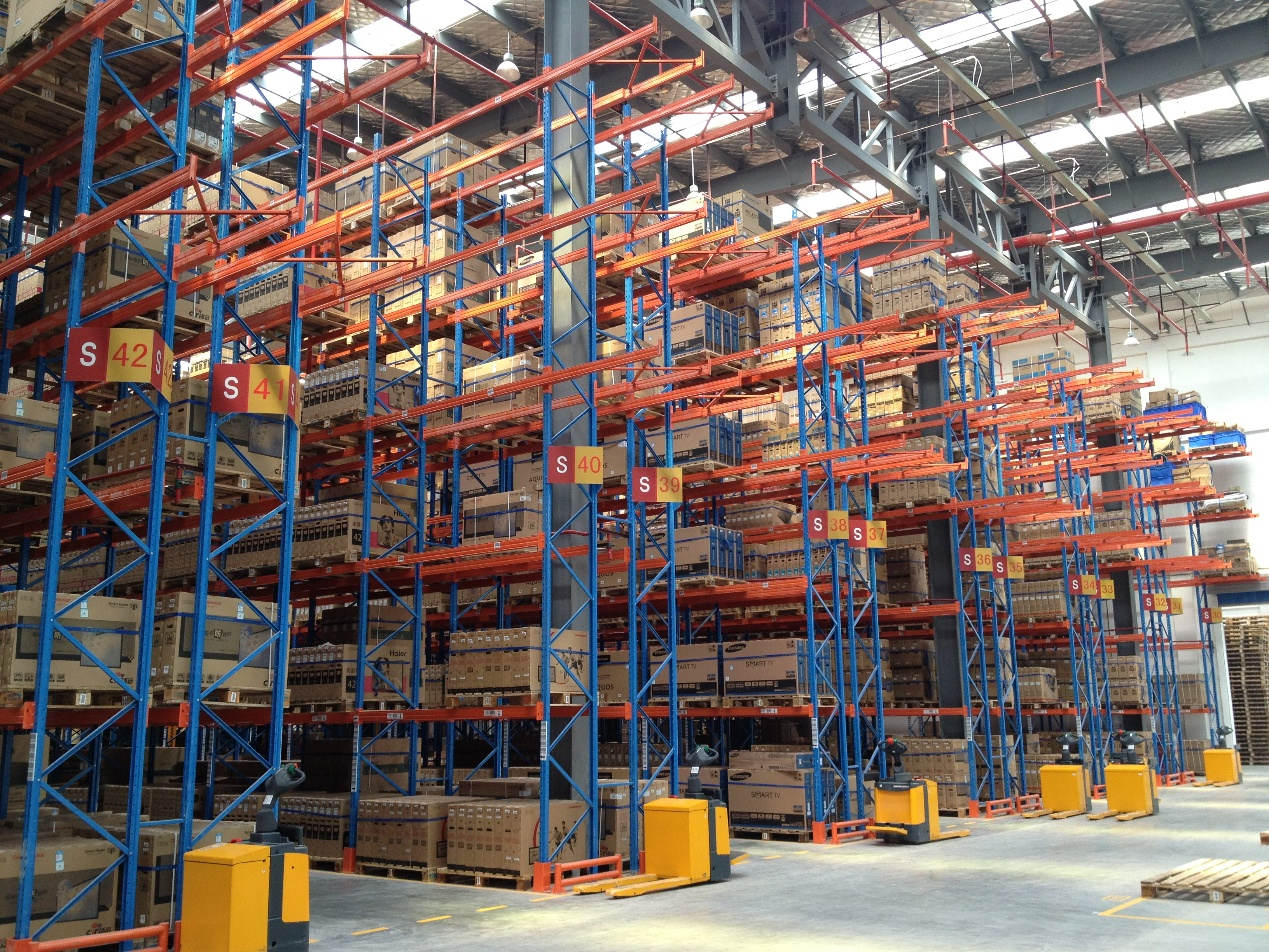
Understanding Pallet Racking: The Backbone of Warehouse Storage
If you manage a warehouse or distribution center, you’ve likely encountered pallet racking—an essential storage solution designed to maximize space and improve inventory organization. But what exactly is pallet racking, and why is it so widely used?
A standard pallet rack system consists of essential components:
- Frames: Comprising two uprights, horizontal and diagonal braces, and base plates for stability.
- Beams: Horizontal load-bearing elements that connect the frames and support palletized goods.
This system allows businesses to store large quantities of goods efficiently while making retrieval quick and safe, typically using forklifts. The right pallet racking system can significantly impact warehouse efficiency, reducing wasted space and optimizing operations.
Exploring the Different Types of Pallet Racking Systems
Choosing the right pallet racking system depends on factors like inventory turnover, available warehouse space, and operational workflow. Here’s a breakdown of the most common types:
- Selective Pallet Rack
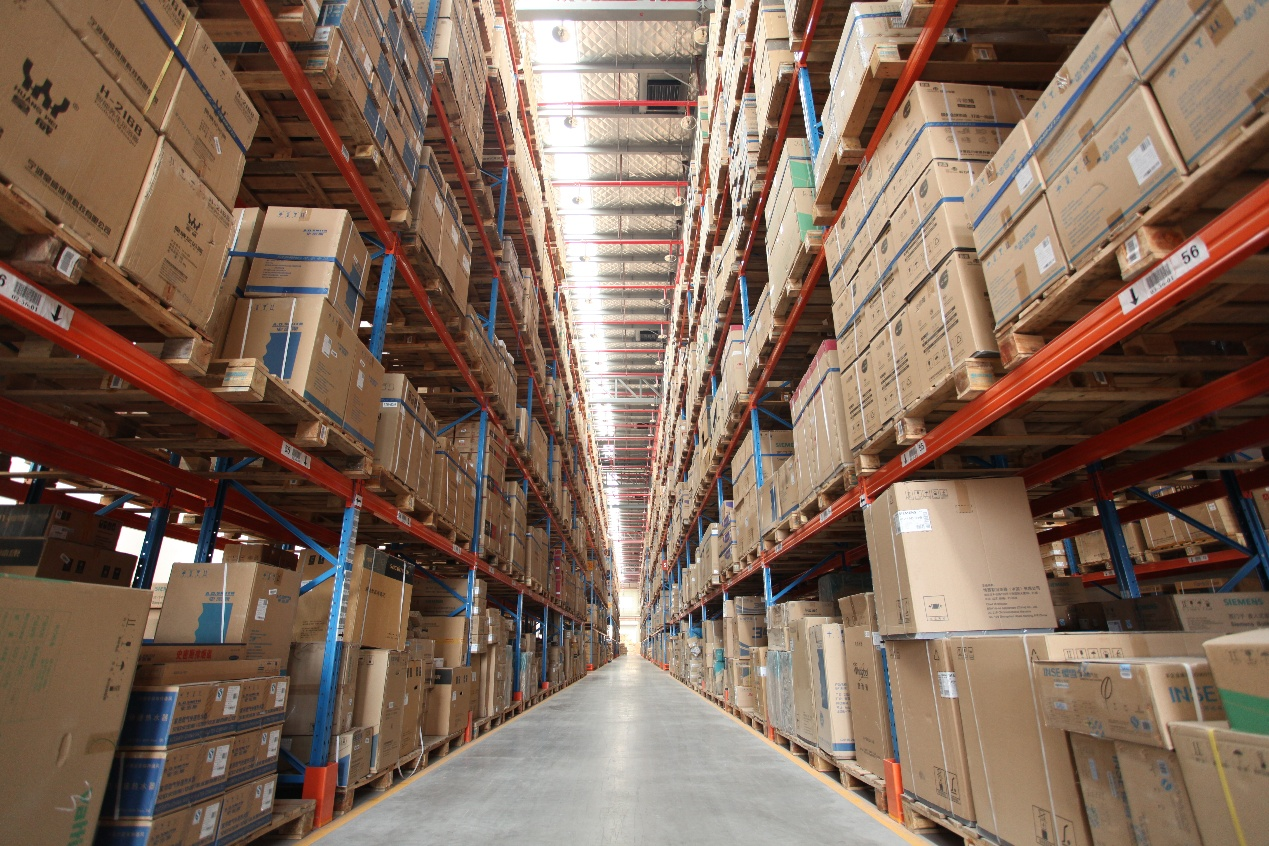
The most widely used racking system, selective pallet racks provide direct access to each pallet, making them ideal for businesses with high SKU variety. They are cost-effective and adaptable, accommodating different pallet sizes and weight capacities.
- Best for:Warehouses with frequent inventory turnover.
- Example:A retail distribution center storing a diverse range of products benefits from selective racks to ensure quick order fulfillment.
- Push Back Rack
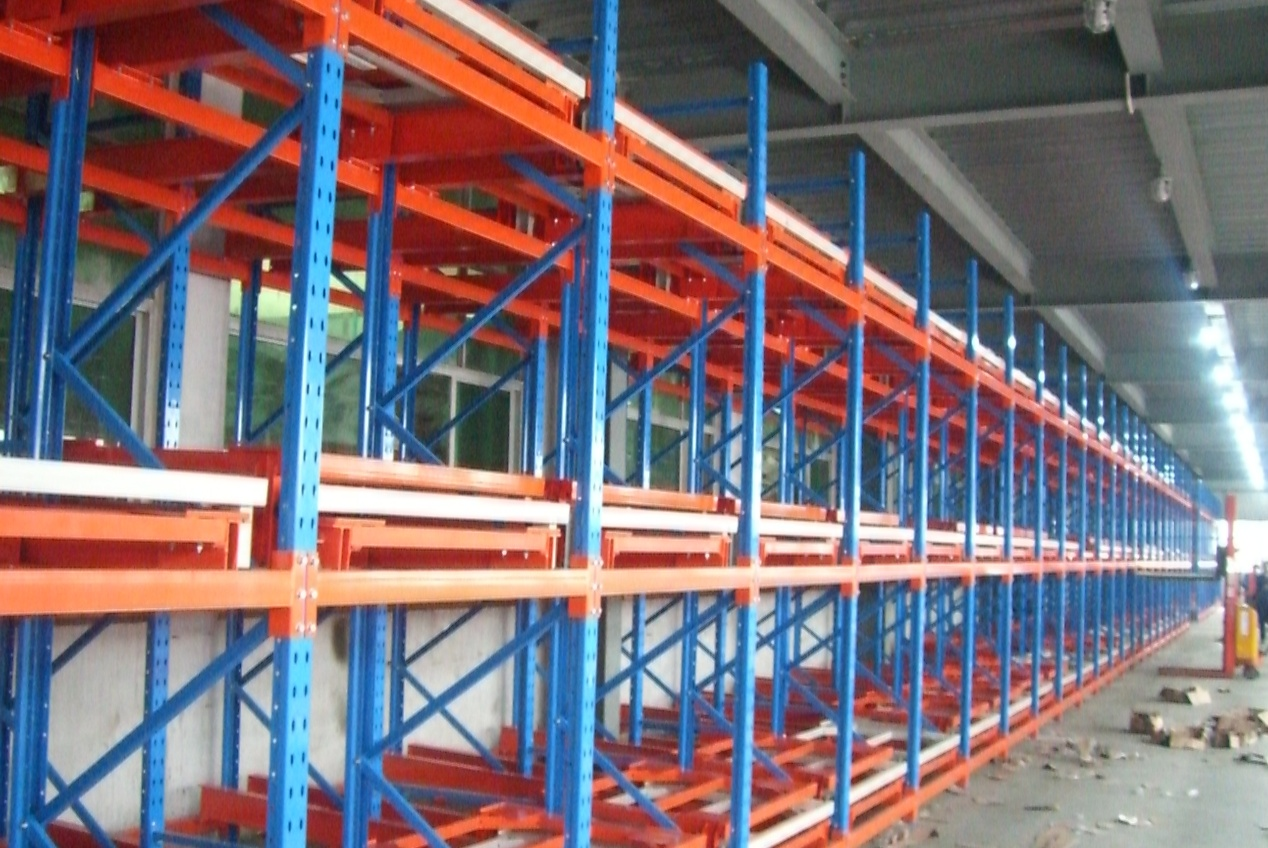
This high-density storage system uses inclined carts that slide forward when pallets are removed, following a Last In, First Out (LIFO) inventory system. It allows for deeper storage while reducing aisle space requirements.
- Best for:Businesses with multiple pallets of the same SKU and moderate inventory rotation.
- Example:A beverage distributor stores soda in push back racks to efficiently manage batches by expiration dates.
- Drive-In & Drive-Through Racks
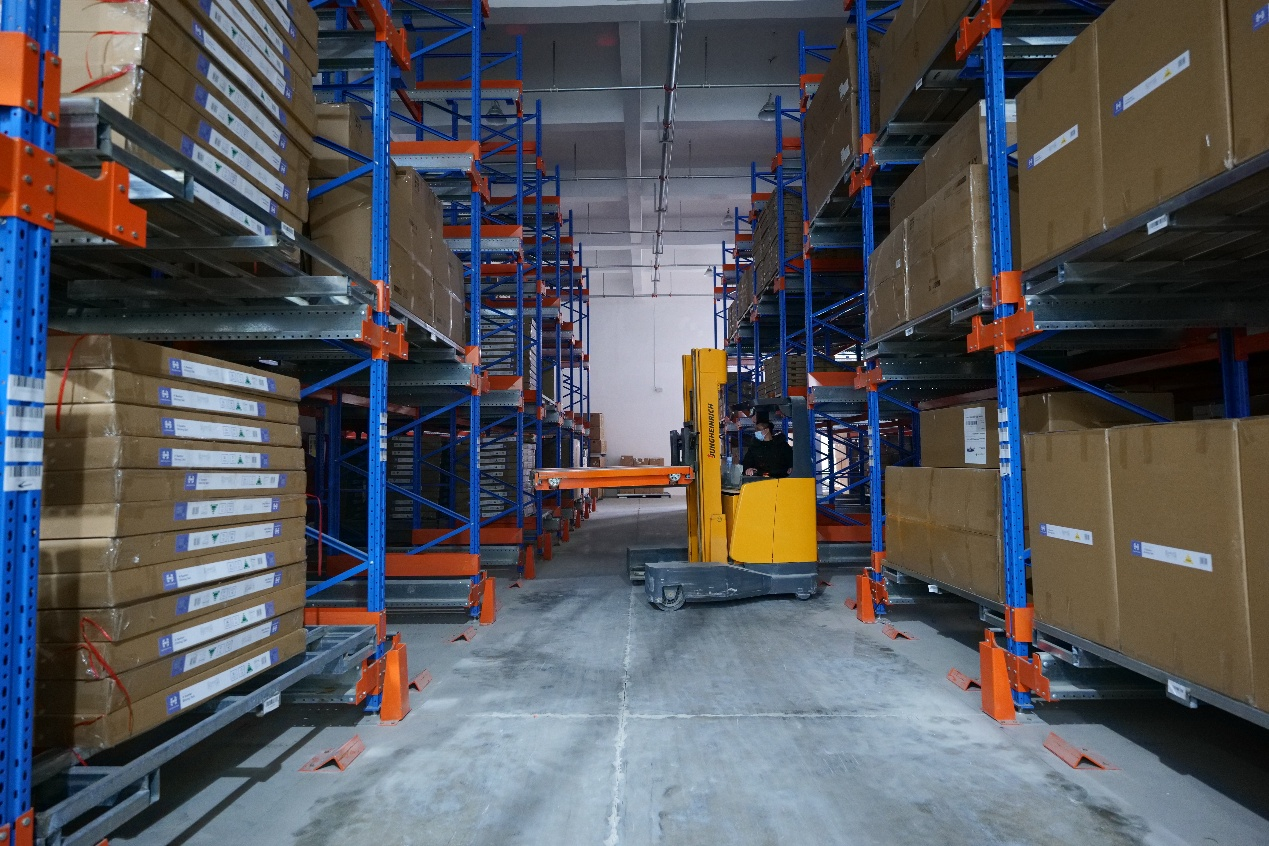
Drive-in racks allow forklifts to enter from one side (LIFO), while drive-through racks permit access from both sides (FIFO). These systems maximize space utilization by eliminating aisles.
- Best for:Storing large volumes of identical products in a limited space.
- Example:A cold storage facility for frozen foods uses drive-in racks to optimize space while keeping products accessible.
- Very Narrow Aisle (VNA) Racking
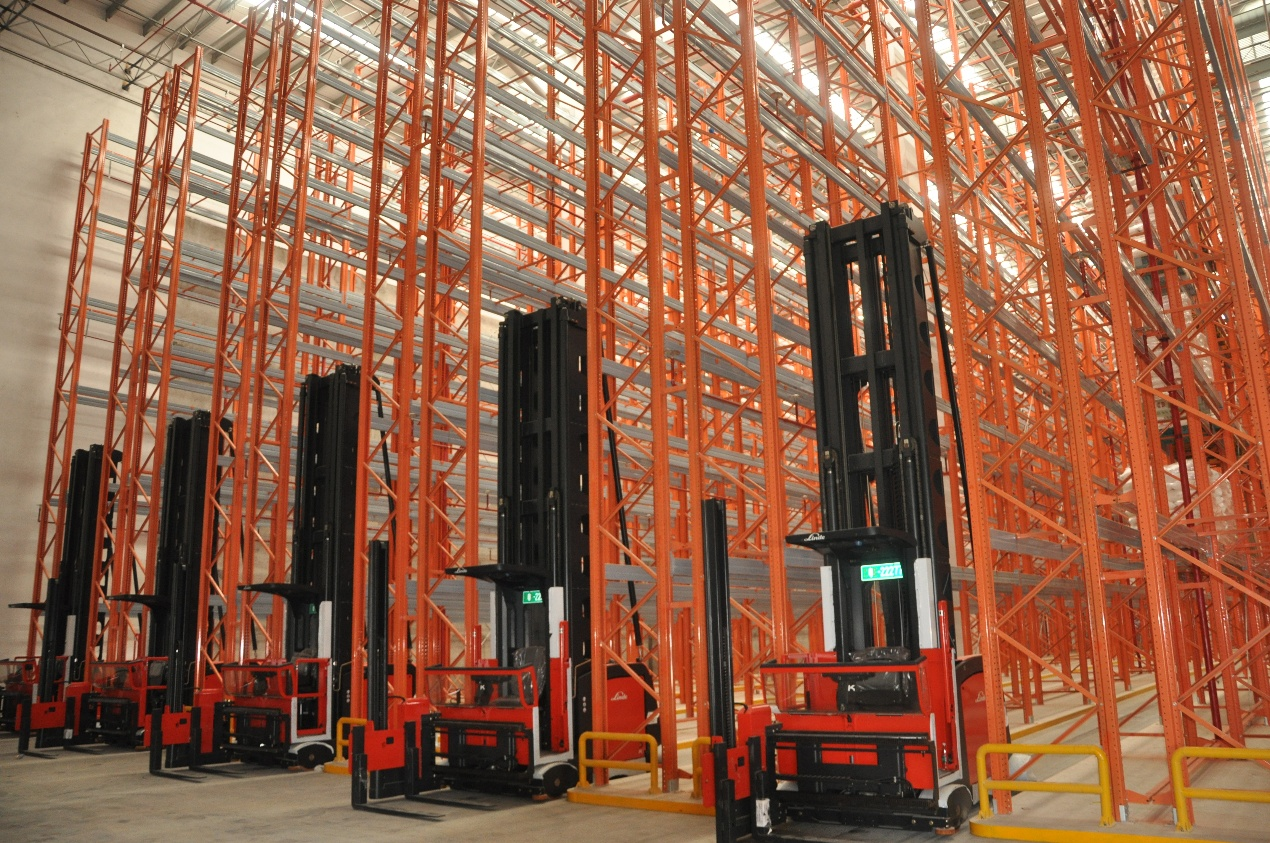
Designed for high-density storage, VNA racking reduces aisle width to maximize storage capacity. Specialized forklifts navigate these narrow aisles to retrieve inventory.
- Best for:Warehouses with height availability but limited floor space.
- Example:A parts supplier for the automotive industry installs VNA racking to store small, high-value components efficiently.
- Electric Mobile Pallet Rack
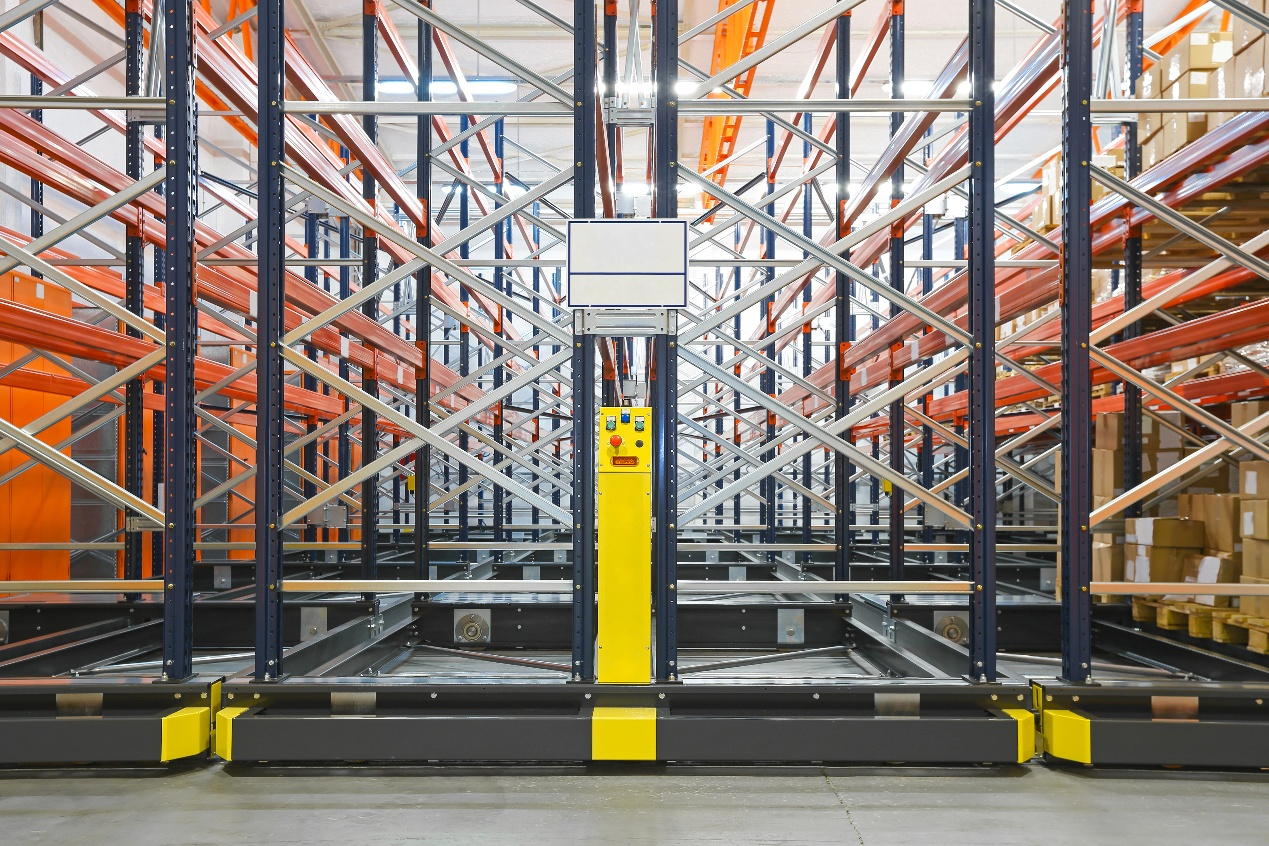
Mounted on mobile bases, these racks move along tracks to eliminate unused aisle space, increasing overall storage capacity.
- Best for:Warehouses needing flexibility in storage configurations.
- Example:A pharmaceutical company uses mobile racks to store temperature-sensitive medications efficiently.
Essential Accessories to Enhance Pallet Racking Efficiency
Beyond the basic structure, pallet racking systems can be customized with various accessories to enhance safety, efficiency, and durability.
- Wire Decking:Adds support beneath stored pallets, preventing product falls and improving fire safety by allowing sprinkler water to flow through.
- Steel Panels:Provide a solid surface for non-palletized goods, offering extra support for various inventory types.
- Coil Brackets (Drum Cradles):Designed for storing cylindrical items such as drums and coils, preventing rolling and shifting.
- Fork Entry Bars:Help forklift operators accurately position pallets, reducing handling errors.
- Support Bars:Reinforce beams to improve weight distribution and stability.
- Row Spacers:Maintain even spacing between back-to-back racking rows, ensuring structural alignment and ventilation.
- Pallet Stoppers:Prevent pallets from being pushed too far, reducing the risk of accidental falls.
- Upright Protectors: Shield rack frames from forklift impacts, minimizing damage and extending system longevity.
- End-of-Row Guards: Protect aisle-facing racks from potential forklift collisions.
- Guide Rails:Assist forklifts in navigating narrow aisles, reducing the likelihood of accidental contact with racks.
Choosing the Right Pallet Racking System for Your Warehouse
Selecting the right pallet racking system isn’t just about storage capacity—it’s about optimizing workflow and maximizing ROI. Here are a few key considerations:
- Inventory Turnover:High-turnover products benefit from selective racks, while slow-moving items may suit drive-in racks.
- Storage Density Requirements:If maximizing storage space is a priority, high-density options like push back, drive-in, or mobile racking may be ideal.
- Warehouse Layout: Narrow aisles, ceiling height, and existing equipment influence the most suitable racking choice.
- Load Capacity: Understanding weight distribution and load-bearing capacities ensures structural integrity and safety.
Final Thoughts: Investing in the Right Pallet Racking System
Pallet racking is a long-term investment that significantly impacts warehouse efficiency and operational flow. By understanding different racking options and their accessories, businesses can make informed decisions that enhance productivity and storage capabilities. If you’re looking for expert guidance on selecting the best pallet racking system for your warehouse, our team is here to help!