


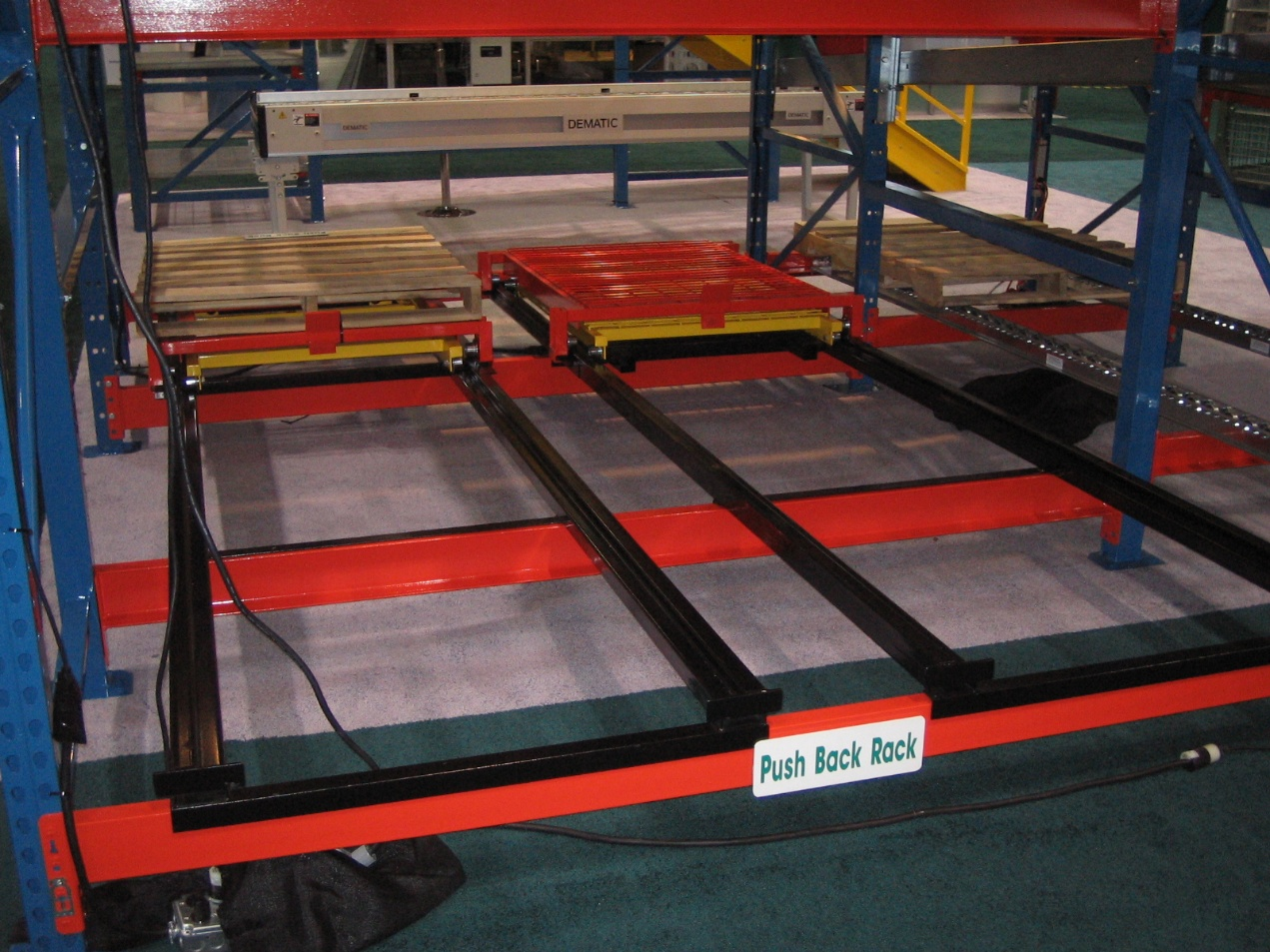
Push Back Racking is one of the most efficient high-density storage solutions available, allowing warehouses to maximize space while ensuring quick and easy pallet retrieval. However, just like any other racking system, improper use or setup can lead to inefficiencies, safety risks, and even costly damage.
To help you get the most out of your Push Back Racking, we’re highlighting five common mistakes businesses make—and, more importantly, how to avoid them.
- Using the Wrong Type of Pallets
Not all pallets are created equal, and choosing the wrong ones for a Push Back Rack system can lead to operational issues. Since pallets in a Push Back Rack move on inclined rails or nested carts, they need to be uniform in size, weight, and structural integrity.
How to Avoid It:
✔ Use high-quality, standardized pallets that can smoothly slide within the system.
✔ Avoid pallets that are broken, inconsistent in size, or have bottom deckboards that could get caught on the rails.
✔ Conduct routine inspections of pallets before loading them onto the rack.
- Overloading the System
Each Push Back Rack system has a specific weight capacity per level. Exceeding this limit can cause structural stress, reduce system efficiency, and increase the risk of rack failure.
How to Avoid It:
✔ Always check the manufacturer’s weight capacity guidelines and ensure compliance. ✔ Distribute weight evenly across all levels to prevent excessive strain on any single area.
✔ Train warehouse staff to properly load and unload pallets to maintain weight balance.
- Ignoring Proper Loading and Unloading Procedures
A major advantage of Push Back Racking is that it operates on a Last In, First Out (LIFO) principle. However, improper loading techniques—such as forcefully pushing pallets or attempting to remove pallets in the wrong order—can damage the system and compromise safety.
How to Avoid It:
✔ Ensure that forklift operators are trained on the proper loading sequence.
✔ Never attempt to remove a pallet from the middle or bottom of a loaded lane.
✔ Load pallets gently to avoid unnecessary impact on the rack’s structure.
- Neglecting Regular Maintenance and Inspections
Like any racking system, Push Back Racks require periodic maintenance to ensure smooth operation. Neglecting routine checks can lead to undetected damage, worn-out components, and even system failure over time.
How to Avoid It:
✔ Schedule regular inspections to check for any signs of wear and tear, especially on the rails, carts, and frame.
✔ Replace damaged components immediately to prevent further issues.
✔ Ensure proper lubrication and cleaning of moving parts to maintain efficiency.
- Poor Warehouse Layout Planning
Push Back Racking is designed for high-density storage, but if not properly integrated into the warehouse layout, it can lead to inefficiencies in workflow and material handling.
How to Avoid It:
✔ Plan your warehouse layout with the flow of goods in mind—avoid placing Push Back Racks in areas with high traffic congestion.
✔ Ensure there is adequate aisle space for forklift maneuverability.
✔ Consider combining Push Back Racking with other racking types for a hybrid storage approach that best suits your inventory needs.
Final Thoughts
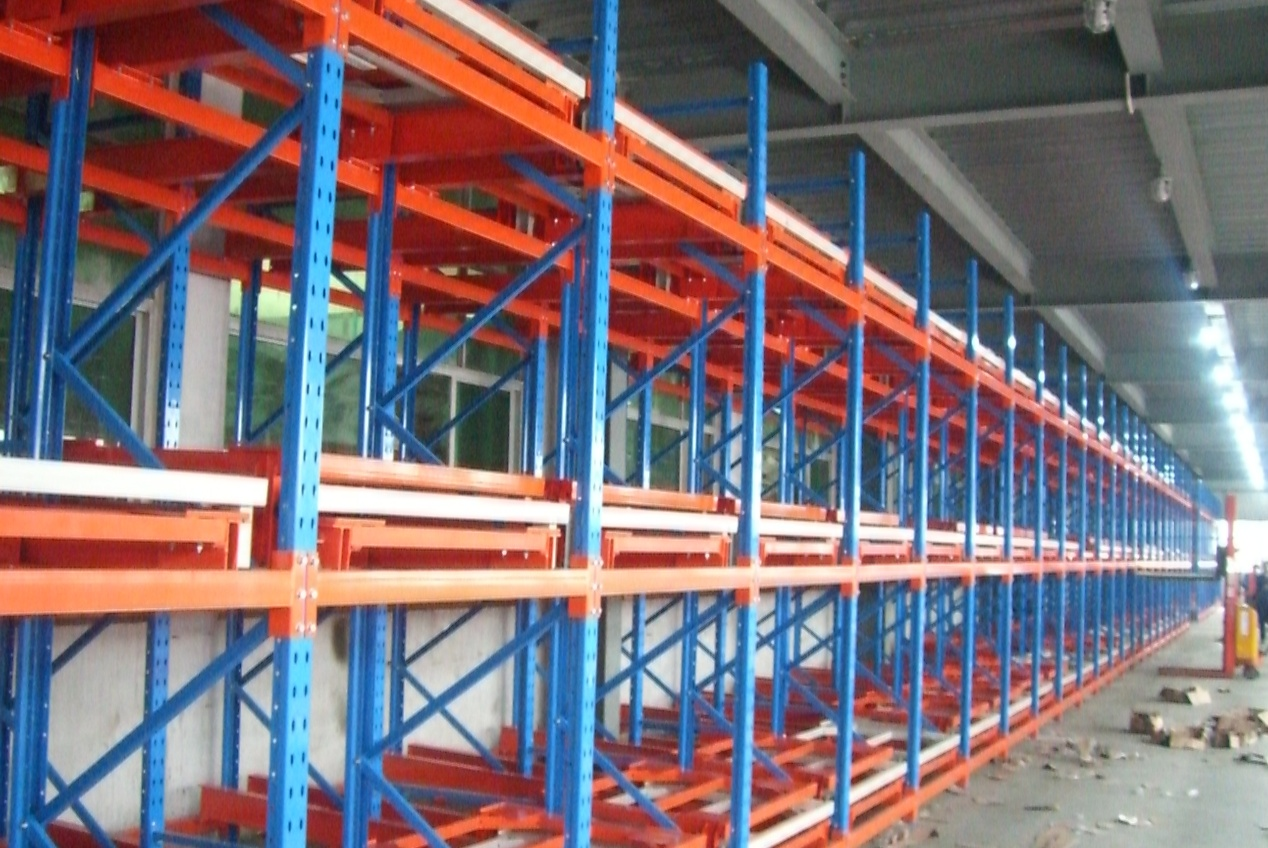
Push Back Racking is a game-changer when it comes to optimizing warehouse space, but only if used correctly. By avoiding these common mistakes, you can maximize efficiency, enhance safety, and prolong the lifespan of your racking system.
Need expert advice on designing the perfect Push Back Racking setup? Our team at CK Storage Solution is here to help. Get in touch with us today to find the best racking solutions tailored to your business needs!